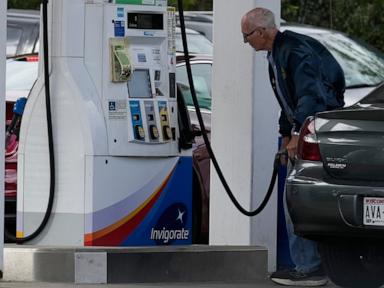
When pain at the pump hits four or five dollars a gallon, voters get angry fast. And when voters get angry right before a midterm election, politicians scramble to look like they are doing something. Right now, surging gasoline and diesel costs driven by international shipping bottlenecks, refinery disruptions, and conflict in the Middle East have pushed state houses into overdrive.
Governors from both parties are racing to suspend fuel taxes, lift commercial vehicle weight restrictions, and slash regulations. They want to show constituents they feel the sting. But is waving a temporary magic wand over fuel taxes actually fixing the energy crunch, or is it just a high-stakes political band-aid designed to survive November?
Let's look at what is actually happening on the ground.
The Statehouse Scramble for Relief
Take Georgia, for instance. Governor Brian Kemp declared a state of emergency, suspending the state's fuel tax for 30 days while diesel prices hovered above six dollars and gasoline cleared four dollars a gallon. At the same time, Georgia dropped weight limits on commercial vehicles to keep freight moving efficiently.
Texas took a different route. Governor Greg Abbott expanded the use of "dyed diesel"—traditionally reserved strictly for farm and construction equipment—and asked the federal Environmental Protection Agency to waive strict ultra-low sulfur diesel rules to ease crushing supply pressures. Other states are weighing similar moves, feeling the heat from constituents who watch their weekly budgets evaporate just filling up the tank to get to work.
Politicians know that high fuel costs are toxic at the ballot box. When the cost of moving goods skyrockets, grocery bills follow. Manufacturing costs climb. Inflation tightens its grip everywhere. Lawmakers facing voters are desperate to offer any form of relief, no matter how short-lived.
Why Gas Tax Suspensions Are Mostly Smoke and Mirrors
Economists will tell you privately what politicians won't admit publicly: temporary tax holidays are mostly political theater.
First, fuel prices are set by global crude oil markets, refining capacity, and geopolitical tensions like blocked shipping lanes in the Strait of Hormuz or damaged infrastructure overseas. A state knocking 30 or 40 cents off a gallon for a few weeks doesn't fix the underlying supply deficit.
Second, the math often fails consumers. Once a state suspends a motor fuel tax, there is zero guarantee that gas stations will pass the entire savings down to drivers instead of pocketing a wider profit margin. And even if they do, the relief disappears the moment the suspension expires, leaving drivers right back where they started—only now the state transportation fund has a gaping hole in its budget for road repairs.
What States Should Be Doing Instead
If leaders actually want to tackle the root of the problem rather than just surviving the upcoming midterms, short-term tax gimmicks won't cut it. Real structural relief requires looking at supply bottlenecks head-on.
- Encouraging domestic refining flexibility: Cutting red tape that slows down fuel distribution during emergencies can genuinely keep trucks moving.
- Targeting direct aid: Instead of broad tax cuts that benefit everyone from commuters to luxury SUV owners, some analysts argue for direct relief to low-income workers who spend a massive percentage of their income on commuting.
- Transparency on pricing: Holding energy companies accountable for artificial price gouging when wholesale prices drop but pump prices stay high.
High gas prices are brutal, and the political pressure is real. But voters aren't stupid. They see through temporary election-year gimmicks the second prices bounce right back up. If you're trying to figure out how to budget for your commute this season, don't count on state tax holidays to save your wallet long-term. Plan for volatility, look at fuel-efficient routing, and keep an eye on how your local representatives actually vote when the cameras are off.