German politics is spinning out of control. Following stunning electoral gains that left mainstream parties scrambling, the Alternative for Germany party is doubling down on a explosive demand: a full international probe into the Nord Stream pipeline sabotage, alongside an actual push to repair and reopen the energy corridors.
If you think this is just standard opposition posturing, look closer. Four years after explosions shattered the Baltic Sea pipelines in September 2022, the energy lifeline of Europe remains a gaping geopolitical wound. Berlin wants to look away, but the political momentum behind the Alternative for Germany makes ignoring the issue impossible.
The Political Earthquake Behind the Pipeline Push
Let's be honest about what happened in the recent German polls. Mainstream coalitions are losing their grip. Voters hit hardest by inflation and energy costs are flocking to alternatives that promise straight talk.
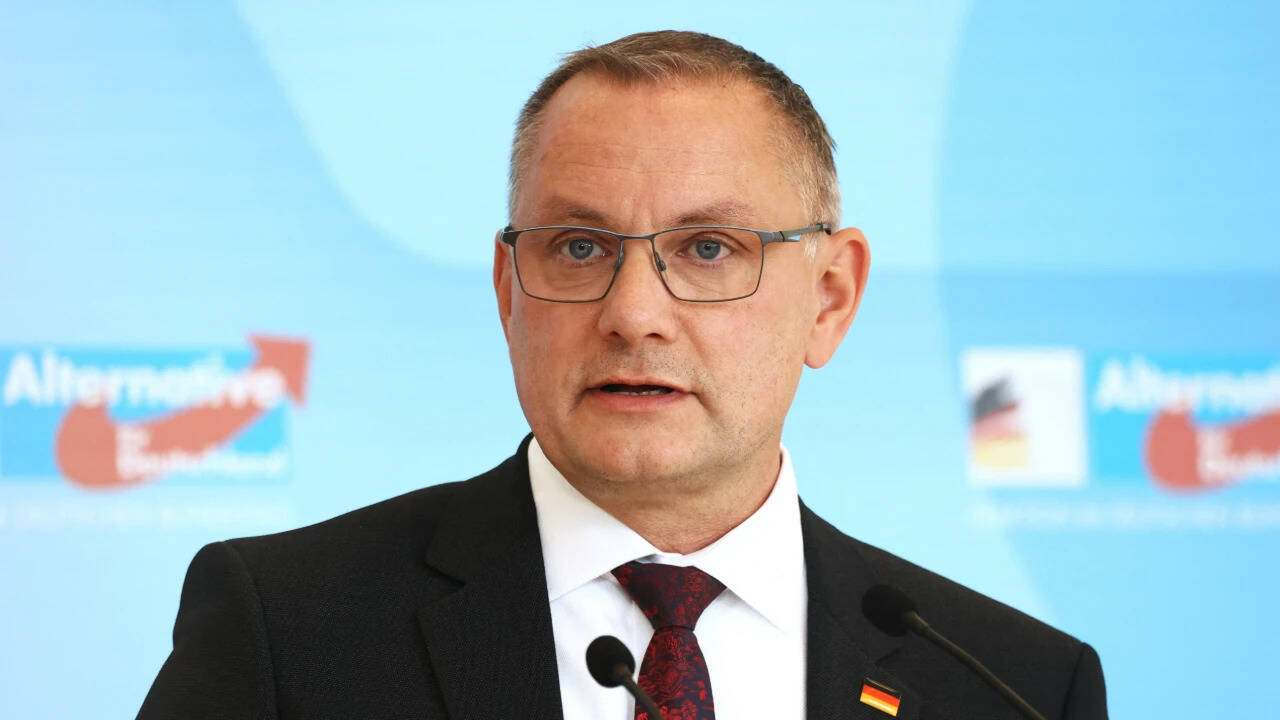
When AfD co-chairman Tino Chrupalla stood up and demanded independent investigations across national, European, and international levels, he wasn't just talking about pipe and steel. He was tapping straight into public frustration over soaring utility bills and the industrial slowdown choking the country's manufacturing heartland.
Moscow noticed immediately. Russian envoy Kirill Dmitriev jumped on social media to endorse the idea of reopening the lines. Predictably, that endorsement gave mainstream German politicians extra ammunition to dismiss the proposal as foreign influence. But dismissing the rhetoric doesn't erase the underlying crisis. German factories need cheap energy. Households need stability. And the official investigations into who blew up critical European infrastructure have produced more questions than answers.
What Berlin and Moscow Are Actually Arguing About
Diplomacy in late 2026 isn't getting any warmer. On the sidelines of the UN General Assembly in New York, German Foreign Minister Johann Wadephul and his Russian counterpart Sergey Lavrov held rare, face-to-face talks—their first direct engagement since the 2022 invasion of Ukraine.
Did it yield a diplomatic breakthrough? Not a chance.
Wadephul used the platform to warn Moscow against ongoing escalation, specifically pointing to an alleged drone incident at Leipzig/Halle Airport in eastern Germany that Berlin blames squarely on Russian operatives. Moscow called the accusation a fabricated provocation and retaliated by shutting down Russian cultural centers and consulates in Germany.
Against this backdrop of crumbling diplomatic trust, the debate over Nord Stream becomes even more radioactive.
- The Official Stance: Berlin maintains that energy dependence on Russia is dead forever, framing the sabotage investigation through a strict security lens while committing fully to supporting Ukraine.
- The Opposition Challenge: The AfD argues that closing the door on Russian gas permanently is economic suicide for an export-driven nation, using the pipeline probe as a wedge issue against the current governing coalition.
Why This Matters Beyond Germany
You can't look at German domestic politics without seeing the broader European picture. When Europe cut off the bulk of Russian pipeline gas, energy markets underwent a violent shock. Liquefied natural gas filled the gap, but at a much higher price tag.
German chemical giants and automotive manufacturers have been sounding the alarm for months. High power costs force production lines to relocate overseas. Ordinary citizens foot the bill through higher heating and electricity costs every winter.
When a surging political movement ties energy scarcity directly to a lack of transparency over the Nord Stream blasts, voters listen. They don't care about complex geopolitical maneuvering when their monthly utility statements double.
Where Things Go From Here
The push for a renewed, transparent inquiry isn't going away, no matter how much Berlin's ruling coalition wishes it would. As electoral pressure mounts, establishment parties are forced to defend a status quo that feels increasingly fragile.
If you want to track where European energy policy heads next, stop watching the official press releases. Watch the regional ballot boxes and the pressure building on industrial power consumers. The debate over the Baltic pipelines is no longer just about underwater steel—it's a referendum on Germany's economic future.