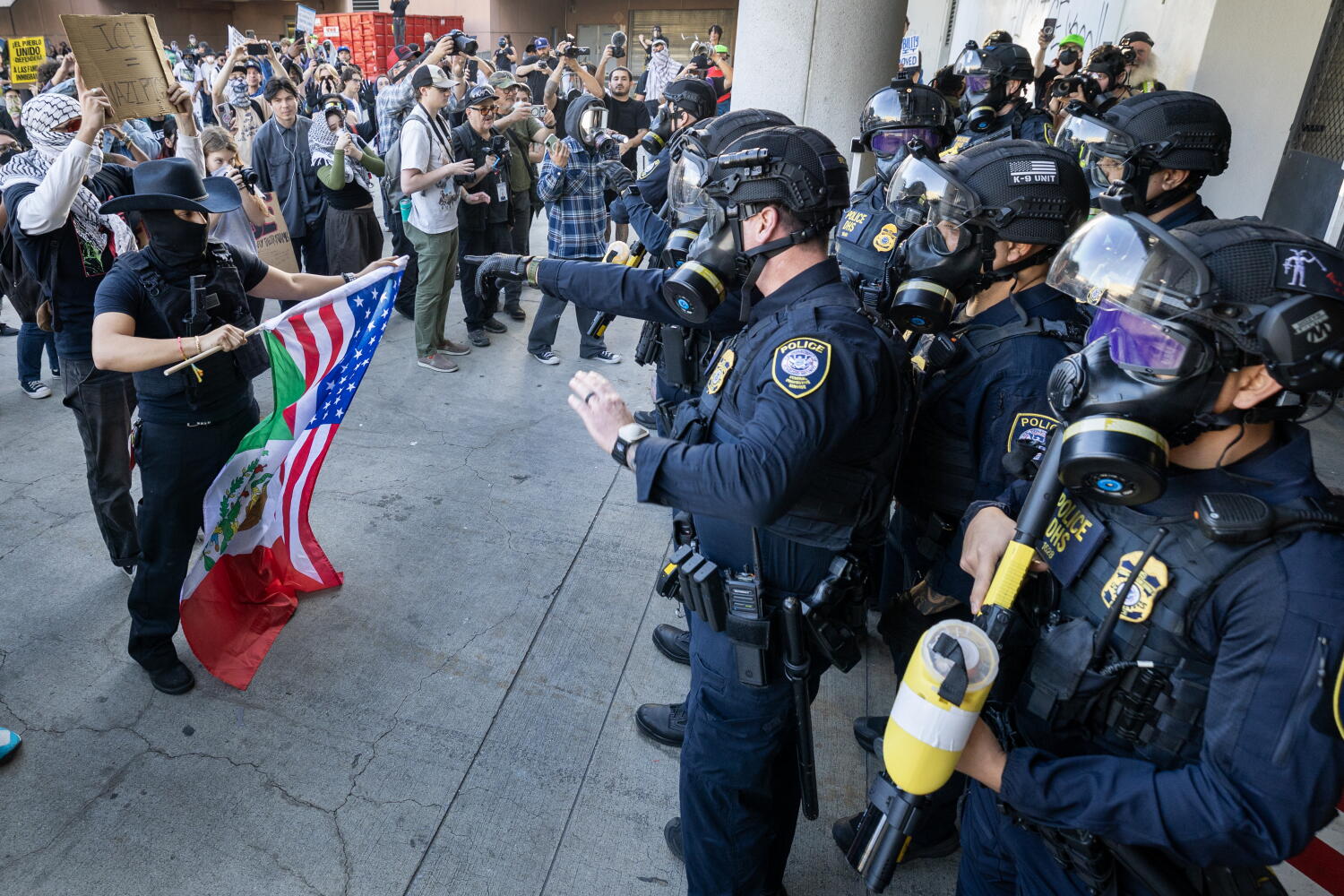
California Governor Gavin Newsom just drew a sharp line in the sand regarding where state power ends and federal immigration enforcement begins. Just days after proudly signing a massive package of 21 bills designed to push back against federal immigration tactics, Newsom quietly vetoed two separate bills from Los Angeles lawmakers aimed squarely at public employment for federal agents.
The move caught many progressive activists and state lawmakers off guard. After all, this is the same administration that recently banned electric shock gloves and face coverings for law enforcement, slapped private detention facilities with a 25% tax, and instituted strict limits on how state resources can intersect with Immigration and Customs Enforcement operations. So why did Newsom draw the line at blocking federal agents from holding secondary or public employment? The answer reveals a complex legal tightrope between political defiance and constitutional reality.
The Fine Line of Secondary Employment
The vetoed legislation targeted public employment opportunities for federal immigration agents, seeking to bar them from certain state or local public roles. But Newsom took explicit issue with the core premise of telling peace officers what they are allowed to do in their own free time.
In his official veto message, the governor pointed out a fundamental hurdle in employment law. State and local peace officers already face strict standards and behavioral rules governing their conduct. Newsom argued that prohibiting the secondary employment law enforcement officers choose to do off-duty crosses a legal boundary. If an officer violates professional standards, the proper remedy is an investigation that suspends or revokes their peace officer status entirely—not a blanket preemption on specific federal agency employment categories.
Critics and labor advocates see it differently. They argue that California should use every possible lever to distance its public infrastructure from federal immigration operations, especially as deportation policies ramp up under federal pressure. Yet Newsom's legal team has consistently advised caution against statutes that could easily be struck down in federal court for unconstitutional targeting or employment discrimination.
A Flurry of Other Restrictions Still Stand
To understand this veto in context, you have to look at what Newsom actually approved. The governor didn't soften his stance on immigration enforcement as a whole. Instead, he signed a sprawling legislative package aimed at reining in federal overreach across California.
Those newly enacted measures include:
- Strict limits on the use of flash-bang grenades and explosive breaching charges during immigration enforcement.
- Prohibiting ICE officers with records of serious professional misconduct from transitioning into California peace officer or public employee roles.
- Restricting state-owned facilities from being used for federal staging, processing, or detention.
- Requiring rental vehicles used by law enforcement for detention or transportation to display clear temporary agency decals.
- Granting individuals the explicit right to sue federal officials who violate their constitutional rights.
- Protecting immigrant communities traveling to and from courthouses from civil arrest.
Department of Homeland Security spokespeople immediately blasted the legislative package, claiming that sanctuary policies release dangerous criminals onto streets and that no tax will stop ICE from deporting undocumented individuals with criminal records. On the flip side, immigrant rights advocates argue that even with these new laws, vetoing measures like the Los Angeles bills or the ongoing campus work battles leaves critical gaps in state protection.
The Broader Battle Over Work and Status
This friction over public employment isn't isolated to federal agents. Just prior to these vetoes, Newsom also rejected the high-profile "Opportunity for All Act," which would have allowed undocumented students to hold campus jobs at public universities. It marked the second time he blocked that specific legislation, citing unresolved legal risks despite a state supreme court ruling finding university employment restrictions discriminatory.
When you stack these decisions together, a clear pattern emerges. Newsom is more than willing to sign aggressive bills regulating state property, limiting local cooperation, and taxing private detention operators. But when legislation edges close to infringing on individual occupational rights or invites guaranteed federal lawsuits over employment preemption, he pulls back.
The friction between California and federal immigration authorities is far from resolved. As federal agents continue operations within state borders and local lawmakers keep pushing the envelope with inventive statutory roadblocks, the courts will ultimately decide where state authority stops. For now, California remains a sanctuary state with sharp teeth, but even its leaders acknowledge there are legal limits to the bite.
Take a look at how state-federal jurisdictional fights play out in your own backyard. Local ordinances rarely survive higher court scrutiny without airtight legal foundations. Focus your advocacy on policy changes that withstand constitutional tests rather than symbolic gestures bound for judicial defeat.