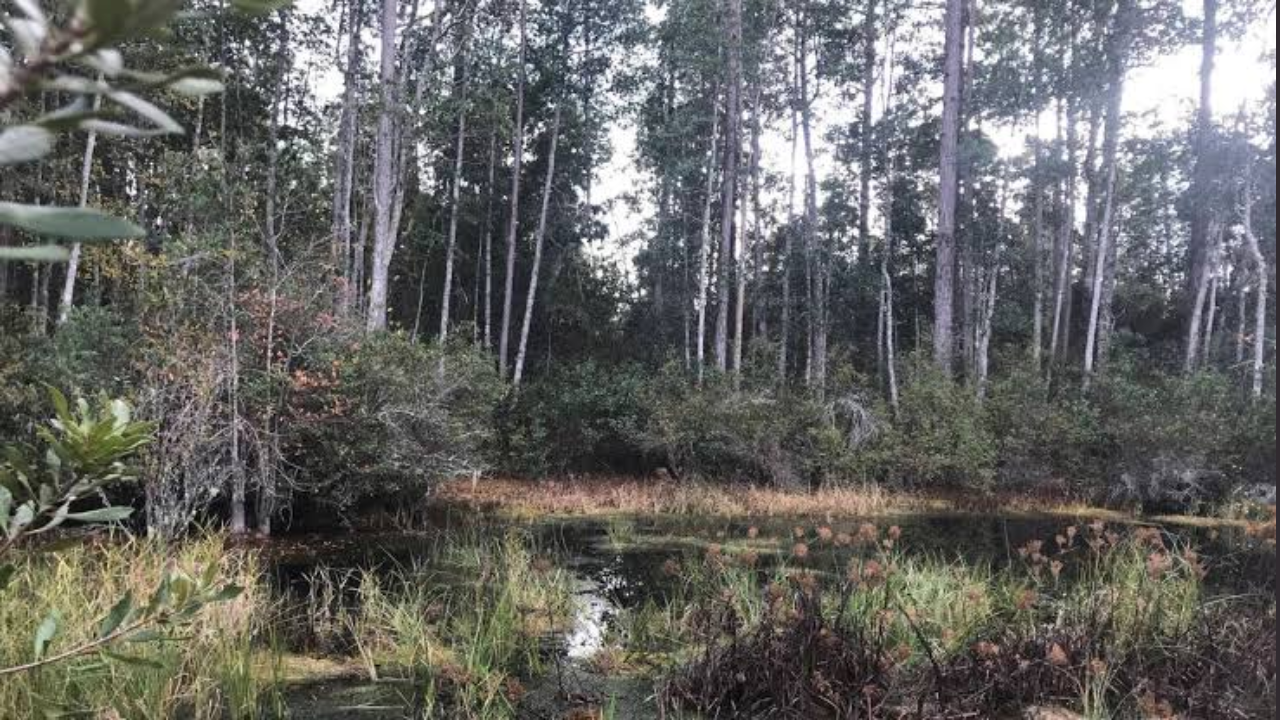
You can't pave over paradise forever without paying the price. Florida just dropped a massive chunk of change to prove it means business. State officials approved over $72.6 million to lock down and protect 10,770 acres of land from future development.
If you've watched concrete creep across the Sunshine State over the last decade, this investment feels long overdue. Let's look at where that cash is actually going and why it matters for anyone who cares about Florida's future.
Breaking Down the Land Grab
The numbers paint a clear picture of priorities. Out of the total acreage saved, two specific slices stand out as critical wins for conservationists and locals alike.
First, the state secured over 2,700 acres directly inside the Florida Wildlife Corridor. That's not just a patch of trees. It's an essential highway for endangered panthers, black bears, and migratory birds trying to navigate an increasingly crowded state. Without these connecting pathways, local wildlife populations face isolation, inbreeding, and inevitable road collisions.
Second, officials locked down over 4,500 acres of working agricultural land under permanent easements. Farmers don't want to sell out to strip mall developers, but soaring property taxes and mounting pressure often leave them few options. Permanent easements pay landowners to keep farming, ensuring that local food production stays put while keeping heavy machinery and asphalt out.
Why Permanent Easements Change the Game
Buying land outright costs a fortune and shifts property entirely onto government balance sheets. Permanent agricultural easements offer a smarter alternative.
Farmers keep owning and working the land. They just give up the right to ever subdivide it or build housing developments on it. It’s a win-win that protects rural heritage without turning active farms into ghost towns or government parks. Honestly, it's one of the few conservation tools that actually respects private property rights while securing public environmental benefits.
The Bigger Picture on Growth and Conservation
Florida's population keeps exploding. Thousands of new residents arrive every single week, turning quiet pastures into sprawling subdivisions. That growth puts immense strain on water supplies, natural springs, and stormwater management.
Every acre of conserved wildlife corridor or working farm acts as a natural sponge. These spaces absorb heavy rainfall, recharge the aquifer, and keep local ecosystems from collapsing under the weight of suburban sprawl. When you pave over wetlands and recharge areas, floods get worse and drinking water gets scarcer. Spending $72.6 million today is cheap insurance compared to the billions it costs to fix man-made environmental disasters later.
Protecting these 10,770 acres won't stop growth entirely, but it draws a hard line in the sand. Keep an eye on how future state budgets handle these programs because land preservation is a race against time.