Nobody expected the tone from Berlin to shift this fast. When Prime Minister Andy Burnham floated the possibility of a future second Brexit referendum during his conference speech, Westminster rolled its eyes and called it old wounds reopened.
Across the Channel, however, the reaction looked entirely different.
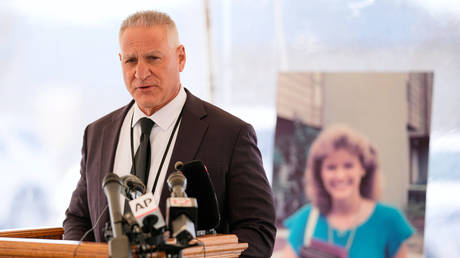
German ambassador Susanne Baumann didn't waste time hiding her enthusiasm. She stepped up to the microphone and made it crystal clear: Germany stands ready to do everything in its power to help the UK rejoin the European fold.
Forget polite diplomatic hesitation. Berlin wants Britain back, and they aren't pretending otherwise.
The Continental Charm Offensive
It wasn't just Germany. French President Emmanuel Macron chimed in from Madrid with a blunt "welcome back" before the ink on Burnham’s speech notes had even dried. Spanish Prime Minister Pedro Sanchez followed suit, talking about open arms and brotherly ties.
Why the sudden rush?
Look past the diplomatic handshakes, and you'll find a European Union that feels the economic pinch of Britain's absence. Trade friction hurts both sides. Defense coordination lacks its historic anchor. Berlin and Paris watch global instability rise, and they realize the continent is weaker with the UK sitting outside the perimeter fence.
When Burnham admitted that current post-Brexit arrangements "aren't good enough," he said out loud what many pragmatic politicians whisper behind closed doors. The UK economy isn't booming outside the bloc. Red tape chokes exporters. Supply chains creak under the weight of non-tariff barriers.
The Domestic Firestorm
Back home, the political knife fight started immediately.
Nigel Farage popped up to declare he's ready for another street fight to keep Britain out of the bloc. Conservative critics accused Labour of trying to drag the country back into years of exhausting culture wars.
They have a point about the fatigue. Britons spent half a decade arguing about backstops, jurisdiction, and trade deals until everyone wanted to throw their televisions out the window. Nobody wakes up on a Tuesday morning craving another divisive national referendum.
Burnham knows this. That's why he hedged his bets, ruling out any immediate leap back into a ballot box. He talked about exploring closer ties at an upcoming summit, keeping the door ajar without kicking it off its hinges.
What Rejoining Actually Means Now
If you think a potential return means walking right back into the old membership deal with all the historic rebates intact, think again.
Brussels won't offer a VIP lounge pass this time. If the UK ever decides to re-enter, the terms will reflect reality. Sterling stays out, Schengen participation remains negotiable, but the regulatory alignment requirements will bite hard.
Business leaders know this trade-off intimately. Do you accept EU rule-taking without rule-making just to get frictionless trade back? Or do you grit your teeth and manage the bureaucracy of sovereignty?
The German government's message signals that they are willing to offer maximum flexibility on the pathway back. Baumann noted that the UK remains an integral part of Europe's history, present, and future. That language goes beyond polite diplomacy. It's an open invitation to renegotiate the architecture of European trade and security.
The Real Choice Ahead
The conversation about Brexit isn't dead. It was just hibernating.
As economic realities continue to bite and European capitals wave open arms from the shoreline, British politics will have to face the music. You can't run an economy on nostalgia forever.
Sooner or later, voters will look at the red tape, look at the stagnant growth, and look at Berlin and Paris practically begging for a reconciliation.
The warning from Europe is simple. The door is unlocked, the lights are on, and the neighbors are waiting. What happens next depends entirely on whether Westminster has the stomach to reopen the file.