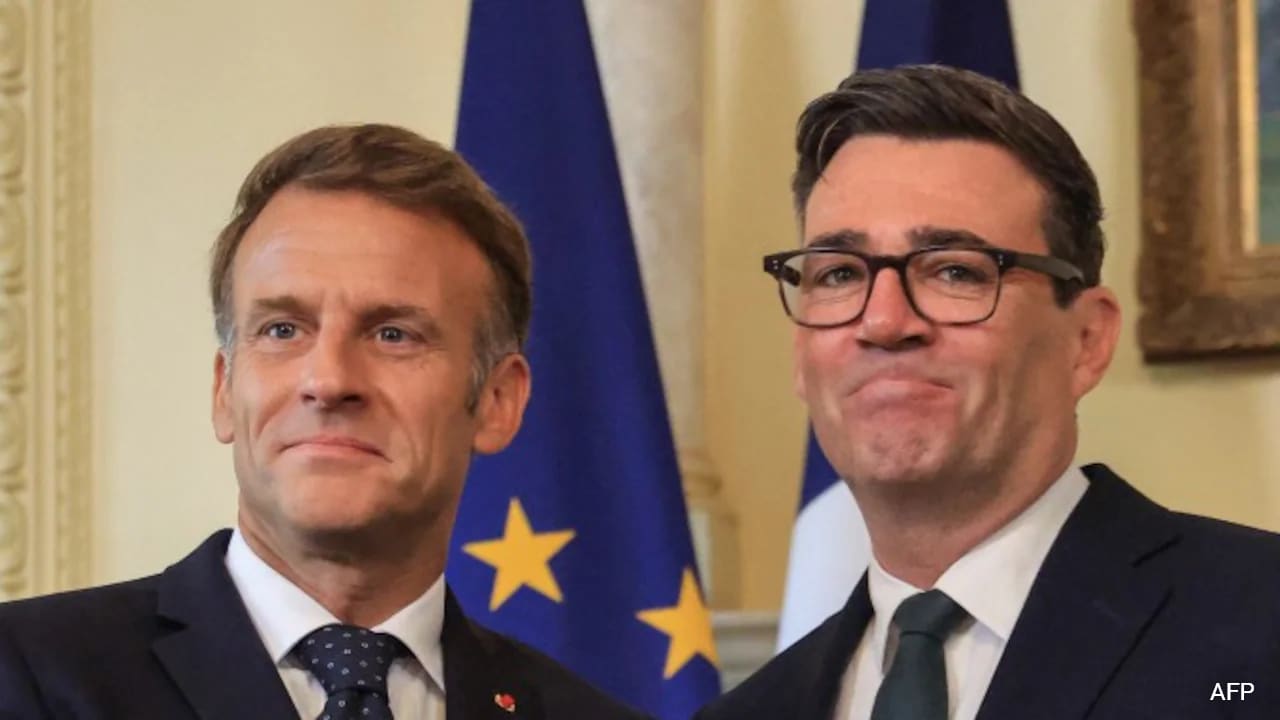
Ten years after the historic Brexit vote sent shockwaves through global markets and political corridors, the conversation around Britain's place in Europe has shifted dramatically. French President Emmanuel Macron didn't mince words this week when reacting to comments from UK Prime Minister Andy Burnham. Standing alongside Spanish Prime Minister Pedro Sanchez in Madrid, Macron offered a direct and enthusiastic response in English: "Welcome back."
If you’ve been following British politics over the past decade, you know how toxic the EU debate used to be. Politicians walked on eggshells. Mentioning a reversal of Brexit was political suicide. But things change. Following a turbulent domestic leadership shuffle that saw Labour MPs replace Keir Starmer with Burnham in July, the new administration is testing the waters on a potential return to the European Union.
Macron’s immediate endorsement tells you everything you need to know about how the bloc views Britain's absence today. It wasn't just a polite diplomatic nod. It was an acknowledgment that a decade outside the single market hasn't worked out cleanly for anyone involved.
What Burnham Actually Said
The shift didn't happen overnight, but Burnham accelerated the timeline during his party's annual conference and subsequent broadcast interviews. He stated clearly that rejoining the EU belongs squarely on the table as an option for fixing Britain's long-term economic and geopolitical ties with Europe.
He plans to lay out specific pathways ahead of an upcoming summit with EU leadership. For a British leader to utter those words on a national stage marks a psychological turning point. Voters are tired of economic stagnation, friction at borders, and red tape that trade deals failed to fix.
Macron seized on that boldness. He noted that the British always played a crucial role in keeping European bureaucracy practical. They were demanding partners, yes, but useful ones who helped simplify things.
The Hard Truth About Half-Measures
Macron also delivered a reality check that Brussels has maintained for years. You cannot cherry-pick the benefits of the European Union without taking on the obligations.
For years, British politicians dreamed of a bespoke arrangement—access to the single market without free movement, financial contributions, or EU oversight. Macron reiterated the obvious truth: you cannot choose only the freedoms that suit you while discarding the rest.
Spain's Pedro Sanchez echoed that sentiment in Madrid, calling Brexit a massive loss for both British citizens and the broader European project. If the UK decides to reapply, Sanchez made it clear that Spain would open its arms to a brotherly neighbor.
What Rejoining Would Actually Entail
Let's be realistic. Rejoining the European Union is not like returning a rented car. It requires immense political capital, grueling negotiations, and likely a public referendum that would reopen old wounds across England, Scotland, Wales, and Northern Ireland.
The UK would likely lose the historic budget rebate negotiated by Margaret Thatcher. They would face pressure to join the euro or at least commit to future monetary alignment. The free pass they once enjoyed as an incumbent powerhouse would be gone. They would re-enter as a supplicant nation negotiating from a position of relative weakness.
Yet, public opinion has shifted. Younger generations, who overwhelmingly voted to remain in 2016, now make up a larger share of the electorate. Economic data paints a grim picture of post-Brexit growth. Inflation, labor shortages in agriculture and healthcare, and export bottlenecks have battered British industries.
Where We Go From Here
The road to rejoining the EU will take years, not months. Burnham's floating of the idea is just the opening salvo. It signals to Brussels that Britain is willing to have an honest conversation about the next decade.
Macron has thrown down the gauntlet. He wants them back, but on European terms. The real question now is whether British voters have the stomach to undo the biggest political gamble of their modern history. Watch how the upcoming EU-UK summit unfolds. That will tell you whether this talk of a return is real strategy or just political kite-flying.