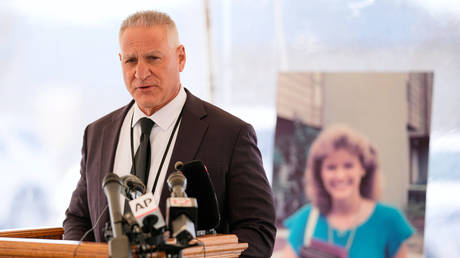
French President Emmanuel Macron arrived in Madrid for the first French state visit to Spain since 2009, but the ceremonial pomp quickly gave way to hard economic truths. If you look closely at the numbers, the power dynamic in Western Europe is shifting. France used to hold a comfortable economic lead over its southern neighbor. Today? Spain's economy is outpacing France, growing faster and forcing Paris to rethink how it handles cross-border relations.
The two-day visit kicked off with royal banquets hosted by King Felipe VI and grand military parades at the Royal Palace. Yet beneath the diplomatic smiles, friction is bubbling up. The Spanish Senate recently rejected a bilateral friendship and cooperation treaty with France, throwing an unexpected wrench into diplomatic proceedings right as Macron touched down.
The Economic Shift No One Expected
For decades, the financial hierarchy in Europe felt fixed. France was the heavyweight, dictating terms and driving continental policy alongside Germany. Spain played a different role. Now, the economic tables have turned. Spain’s post-pandemic growth trajectory has left French economic indicators trailing behind.
When Macron sits down with Spanish Prime Minister Pedro Sánchez, they aren't just talking about shared European solidarity against external trade pressures. They are wrestling with competitive realities. Spain is expanding at a pace that has Paris watching closely. French companies remain Spain’s top trade partners, but the terms of engagement are changing. Spain wants more aggressive energy interconnectivity across the Pyrenees. France has historically resisted these massive grid expansions, creating a policy standoff over power supply stability and regional energy security.
Diplomatic Speed Bumps in Madrid
You can't ignore the political backdrop either. The rejection of the friendship treaty by the Spanish Senate—voting 142 to 106 against the pact—shows that domestic politics in Madrid are messy. While the treaty was deemed constitutional by courts, senators pushed back, proving that international optics don't always align with domestic legislative moods.
Macron tried to brush off the political headwinds during public appearances, notably telling audiences that Europe constantly underestimates its own potential. "We're this old continent that underestimates itself, but we're not doing that badly," he noted during a cultural talk with writer Javier Cercas. But grand declarations don't fix gridlocked energy infrastructure or mend legislative snubs.
What Comes Next for Franco-Spanish Ties
The final day of the visit shifts entirely to practical cooperation, including an economic forum and a strategic stop at SatCen, the European satellite center in Torrejón. This facility tracks security hotspots across North Africa and the Sahel—regions where external powers like Russia and China are actively expanding their influence at Europe's expense.
If France and Spain want to project strength on the global stage, they have to stop looking at each other as historical competitors and start treating each other as economic equals. Paris must accept that Madrid's growth gives it a louder voice in EU policy.
Review the bilateral trade frameworks, monitor energy grid negotiations closely, and track how both nations handle security investments in the Mediterranean.