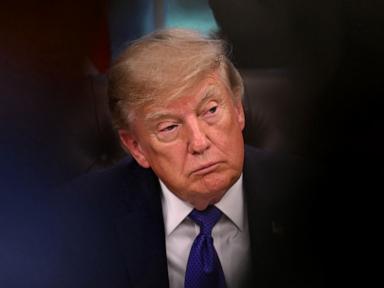
When a president talks openly about handing out blanket pardons before leaving office, Washington takes notice. Donald Trump recently sat down with TIME magazine and gave a blunt answer when asked if he would consider protecting members of his administration from future legal exposure. His response was characteristically direct: "Yeah, sure, I'd do that."
This stance isn't entirely shocking, but it sets the stage for a massive constitutional and political showdown. Trump pointed directly at the actions of his predecessors, claiming that previous administrations set a precedent by extending sweeping protections to relatives and aides. Whether you view these moves as necessary self-defense against hyper-partisan investigations or an abuse of executive privilege, the reality is that the presidential pardon has morphed from a tool of mercy into a shield for political operatives.
Let's look at what this actually means and why it changes the calculus for everyone working in Washington right now.
The Precedent Factor and the Modern Pardon
We aren't talking about traditional clemency here. Historically, a pardon was meant for someone who had already served time, shown remorse, and turned their life around. Think of non-violent drug offenders or people with decades-old convictions rebuilding their local communities.
Modern executive branch politics treat the pardon differently. It is now a pre-emptive insurance policy. When Trump notes that other leaders handed out broad protections, he is tapping into a growing trend where executive power is used to shield staff from future congressional subpoenas or Department of Justice probes.
The mechanics matter. A federal presidential pardon can wipe away federal charges or preemptively block future federal prosecution, but it has strict limits. It cannot touch state-level investigations, nor can it stop local prosecutors from looking into wrongdoing. Trump himself learned this the hard way with state cases in New York, where federal executive power holds zero weight. But for cabinet officials, advisors, and agency heads working inside the Beltway, a federal stroke of a pen changes everything.
What Happens When Protection Becomes the Default
When staff members believe a pardon is waiting for them on the way out the door, behavioral economics takes over. If you know you are legally insulated from the consequences of administrative overreach, your risk tolerance skyrockets. Critics argue that pre-emptive executive clemency removes the standard guardrails of government accountability.
On the flip side, supporters argue that aggressive political weaponization of the justice system leaves executives with no choice. If one party vows to investigate every policy disagreement as a criminal conspiracy once power changes hands, self-preservation becomes standard operating procedure.
We saw this dynamic play out across multiple administrations. The normalization of broad clemency means that leaving office now triggers a race to lock in legal safety nets.
The Compelled Testimony Trap
Here is a twist that many casual observers miss. Receiving a pardon doesn't always mean someone gets to walk away silent.
Once a federal pardon is accepted and the risk of self-incrimination for those specific offenses is completely removed, the Fifth Amendment shield disappears. If a congressional committee or a grand jury calls a pardoned official to testify, they can no longer refuse to answer questions by pleading the Fifth. If they still refuse, they can be locked up for contempt of court.
So while a pardon protects you from going to prison for past actions, it can force you onto the hot seat to answer uncomfortable questions under oath, stripping away the silence that suspects usually rely on.
Where This Leaves Us
The presidential pardon power was written into Article II of the Constitution with very few restrictions, and for decades, it was used sparingly. Today, it has become a central weapon in the permanent political war.
As the current term winds down and conversations about transition and accountability heat up, expect the debate over executive clemency to dominate headlines. It alters how government employees view their jobs, how prosecutors evaluate cases, and how future presidents will manage the risks of power.
Watch how these decisions roll out over the coming months. The debate isn't going away, and the boundaries of executive authority are being redrawn in real-time.