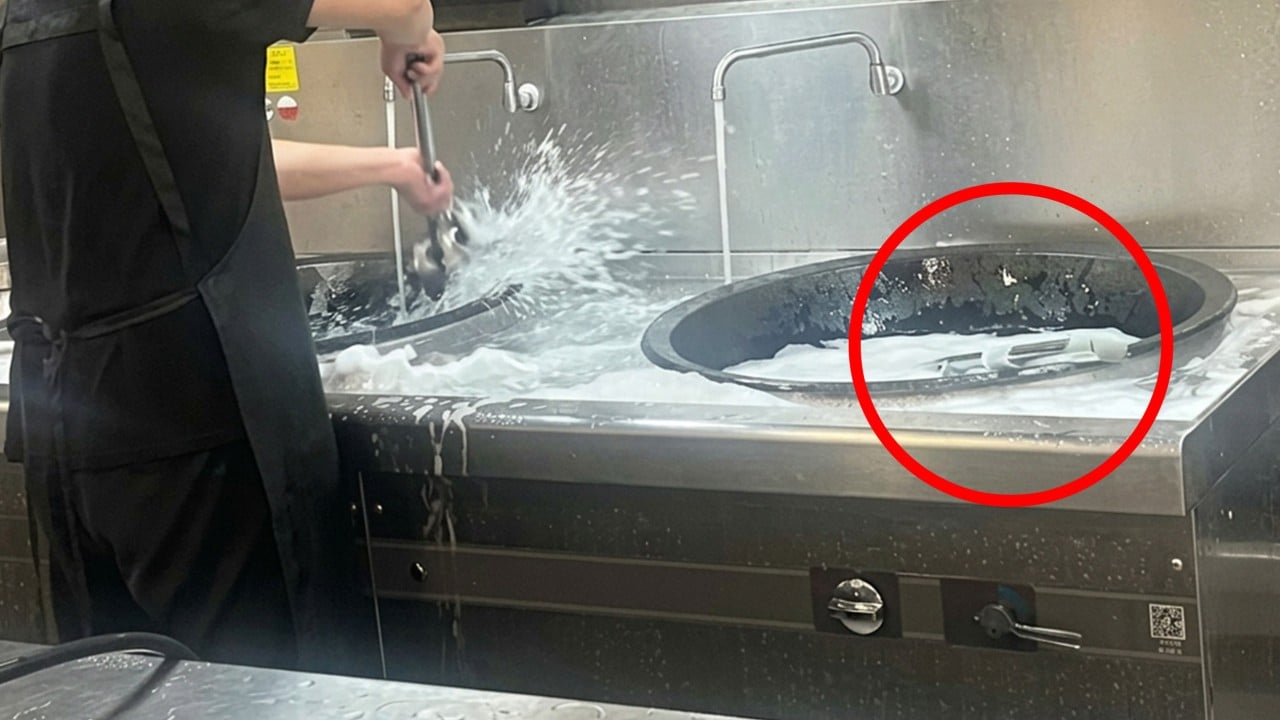
Kitchen staff washing dirty floor mops and drain covers inside cooking pots sounds like a grotesque fictional horror story. Yet, it happened in broad daylight at a Chinese kindergarten. When a brave whistleblower risked her career to expose the filth, local bureaucrats tried to sweep it under the rug. They even accused her of spreading rumors.
It takes an extraordinary level of administrative failure for kitchen hygiene to get that bad. Worse, it takes systemic institutional cowardice to defend the perpetrators instead of the children. Meanwhile, you can find similar developments here: Why India Had No Other Choice When Sheikh Hasina Landed.
The disgusting reality at the Affiliated Kindergarten of Nanjing University of Information Science and Technology in Jiangsu province finally caught up with local authorities. Following an online exposé by a health teacher named Wang, the district government took swift action. They fired the principal, the deputy principal of logistics, and every single member of the kitchen staff. On top of that, 11 local bureaucrats received official warnings and administrative demerits for failing to do their jobs.
How the Kitchen Nightmare Unfolded
The scandal erupted from a combination of blatant negligence and brazen cover-ups. Back in June, several children started vomiting and feeling nauseous after lunch. Parents raised concerns over the summer break, but the administration stonewalled them. To explore the bigger picture, we recommend the excellent article by The Washington Post.
Wang, who served as a health teacher and canteen safety supervisor, finally decided she couldn't stay silent. She documented staff members using food preparation sinks to disinfect mosquito nets and scrubbing dirty mops and drain covers directly in cooking pots. She also caught canteen workers stealing premium food ingredients meant for the children.
When Wang reported these violations internally, the principal ignored her warnings. When Wang resigned and went public with photographic proof, the kindergarten and local neighborhood office initially called her a liar. They claimed she fabricated the whole thing.
The narrative only shifted when surveillance footage corroborated every single detail Wang provided. Even then, the desperate principal tried to point fingers back at Wang, claiming she ordered the staff to wash mops in cooking pots.
Why Bureaucratic Slap on the Wrist Fails Public Trust
While firing the kindergarten administration and disciplining 11 officials feels like justice, many observers are asking a harder question. Why aren't these administrators facing criminal charges?
Under China's legal framework, state functionaries and school supervisors can face prison time up to five years for severe negligence regarding food and drug safety. However, the legal phrasing often hinges on whether the accused qualifies as a formal state organ functionary. Private or affiliated institutions sometimes exist in legal gray areas that shield negligent administrators from criminal liability.
Compare this to other high-profile food safety disasters. In 2021, a restaurant owner received a seven-year prison sentence for selling nitrite-laced pork ribs that poisoned 56 students. In 2025, a Gansu kindergarten principal and kitchen staff faced criminal custody after toxic decorative paint poisoned nearly 250 children.
When administrative discipline replaces criminal prosecution, public skepticism spikes. Parents want to know what stops another negligent principal from cutting corners when the worst penalty is losing a job rather than facing a jail cell.
The Cost of Speaking Up
Wang's story highlights a terrifying truth about whistleblowing in institutional settings. She admitted she hesitated for days before posting her evidence online. She knew she was torpedoing her career prospects in the early education sector.
Corporate and institutional retaliation against whistleblowers remains a massive hurdle. Too many organizations prioritize institutional reputation over child safety. If employees face professional exile for exposing gross negligence, fewer people will step forward.
Rigorous oversight guidelines issued by the State Administration for Market Regulation and the Ministry of Education clearly state that principals bear primary responsibility for food safety. But pieces of paper don't scrub pots or check surveillance cameras. Real enforcement requires independent spot-checks, transparent reporting channels, and zero tolerance for officials who protect bad actors.
Protecting children requires more than reactive firings after a scandal goes viral. It demands structural accountability before the mops ever touch the cooking pots.