Geopolitics rarely operates on pure altruism. When Beijing steps up to offer unwavering backing to Havana, you can bet there are much larger strategic calculations at play. As Washington ramps up its economic squeeze, oil blockades, and political pressure on the island nation, China isn't just sending diplomatic pleasantries. They are drawing a line in the sand just ninety miles off the Florida coast.
Foreign Ministry spokesperson Guo Jiakun made Beijing's stance explicit during a press briefing marking 66 years of diplomatic ties between China and Cuba. Amid reports of heavy stress on Cuba’s electrical grid, fuel shortages, and aggressive US political maneuvering, Beijing promised to stand shoulder-to-shoulder with Havana.
If you want to understand why this matters right now, you have to look beyond standard diplomatic boilerplate. Let's break down the mechanics of this intensifying standoff and what it means for global power dynamics.
The Economic Squeeze and the Power Grid Crisis
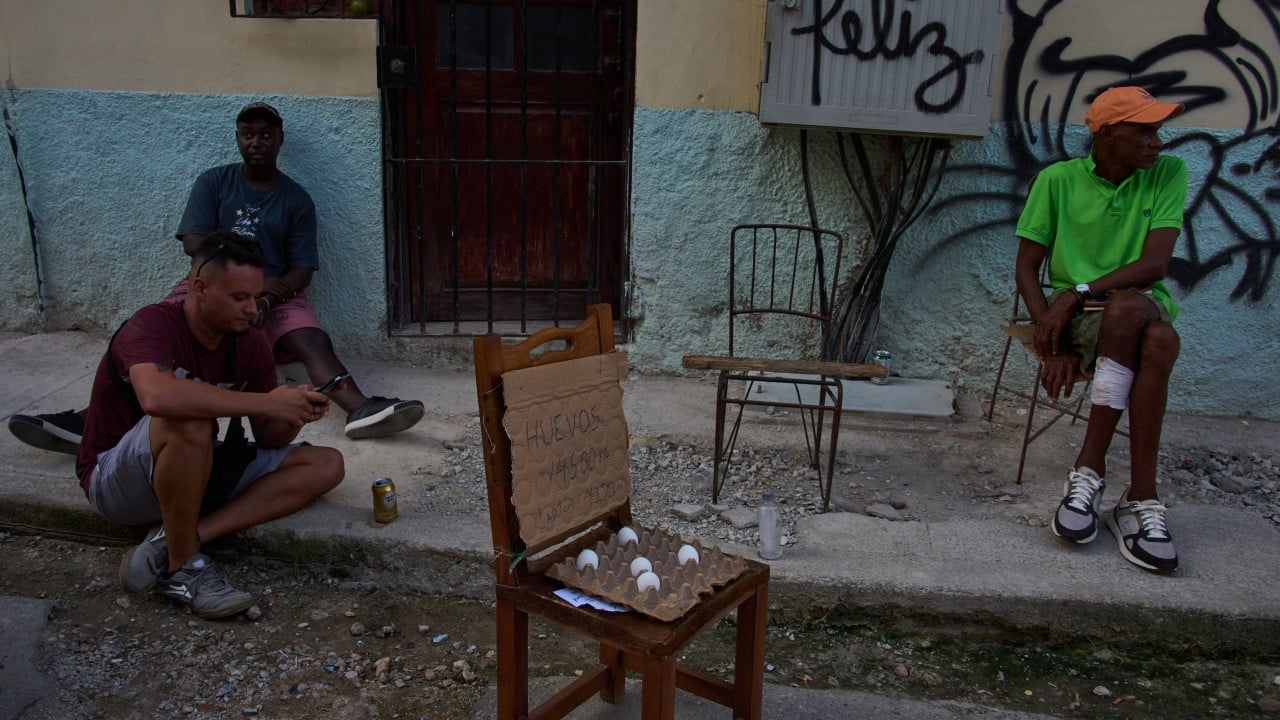
Washington's campaign against Cuba isn't new, but the intensity has shifted. Recent months brought crippling energy shortages, leaving ordinary Cubans grappling with rolling blackouts and a fragile power grid pushed to its absolute limit. The island faces severe fuel deficits driven by tight enforcement of shipping restrictions and oil blockades.
When an economy is starved of fuel, everything breaks down. Hospitals struggle to maintain backup generators, water purification plants shut down, and food supply chains fracture.
This is precisely where Beijing steps in. China's pledge of firm support isn't just about ideological solidarity. It involves practical economic lifelines, energy assistance, and trade coordination designed to keep the Cuban state afloat. Beijing knows that an absolute collapse of the Cuban government would represent a major strategic loss for its own footprint in Latin America.
Why Beijing Can't Afford to Let Havana Fall
From a strategic standpoint, Cuba remains an irreplaceable anchor for Chinese influence in the Caribbean. For decades, Western analysts have tracked intelligence-sharing facilities and maritime cooperation on the island. While Beijing denies aggressive military ambitions, Washington watches every move with deep anxiety.
When US defense planners float options for tightening the screws or orchestrating political change, Beijing views it as a direct threat to its own backyard diplomacy. Supporting Cuba lets China project power globally without firing a single shot. It signals to developing nations across the Global South that Beijing stands by its partners when Washington applies maximum pressure.
This dynamic mirrors broader global realignments. Countries facing sanctions or trade embargoes from Western powers look to Beijing for an alternative financial ecosystem. Cuba becomes a test case. If China can help Havana weather an oil blockade and economic isolation, it validates Beijing's pitch as an alternative superpower leader.
The 66-Year Milestone and the Messaging War
Diplomatic anniversaries usually generate forgettable press releases. This one was different. By tying the 66th anniversary of China-Cuba relations directly to a sharp rebuke of US intervention, Beijing wanted maximum visibility.
The messaging targets two audiences simultaneously:
- Domestic and international observers who see China as a reliable counterweight to American hegemony.
- Washington policy circles, warning them that any escalation against Havana will come with geopolitical costs elsewhere.
Notice how Beijing frames the narrative. They don't talk about hidden electronic listening posts or regional security threats. They talk about "national sovereignty," "resisting outside interference," and "socialist development paths." It’s classic diplomatic framing designed to rally international law and anti-colonial sentiment to Cuba's defense.
What Happens Next
Don't expect Washington to ease up on Havana anytime soon. Domestic political pressures in the US, particularly involving Florida's voting bloc, ensure that a hardline stance on Cuba remains bipartisan consensus.
At the same time, don't expect Beijing to abandon the island. The political cost of walking away is far higher for China than the economic cost of propping it up. As the US tightens the blockade, expect to see more creative financial channels, increased energy shipments, and high-level delegations moving between Beijing and Havana.
The Cold War dynamic in the Caribbean never truly vanished. It simply evolved into a modern contest of economic endurance, digital surveillance, and great power competition. Keep your eyes on the energy imports and maritime traffic coming into Cuban ports over the next few months. That is where the real battle for sovereignty is being fought.