Most people remember Chesly Sullenberger for about three and a half minutes. That is roughly how long it took for US Airways Flight 1549 to glide down into New York City's freezing Hudson River back in January 2009.
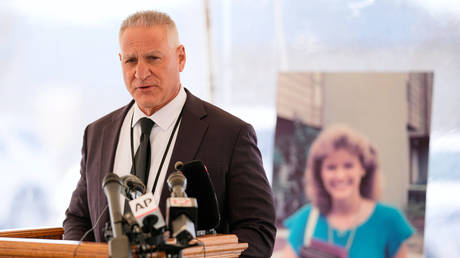
Seventeen years after that extraordinary feat of airmanship saved 155 lives, the man known globally as Sully has finally entered the National Aviation Hall of Fame. It is a massive honor. But reducing his entire life to a single, high-stakes emergency misses the point entirely.
Sullenberger made it clear during his Washington DC induction ceremony that his legacy stretches far beyond one terrifying afternoon. He spent decades studying safety, flying fighter jets for the Air Force, and training commercial pilots long before a flock of geese wiped out both engines over Manhattan.
Beyond the Hudson River Landing
When people think of aviation heroes, they picture Hollywood movies and dramatic cockpit close-ups. Clint Eastwood directed a film about the 2009 splashdown, turning a technical triumph into pop culture history.
Yet, real-life flying does not work like a script. Sullenberger often points out that safety is built on thousands of small, unglamorous decisions made long before an emergency ever happens. He spent years working with the Air Line Pilots Association, investigating accidents and pushing for regulatory changes that quieted many cockpit hazards before they caused crashes.
He didn't just land a disabled Airbus A320 on water. He spent an entire career figuring out why mistakes happen in the first place.
Facing a New Battle Out of the Cockpit
Sully's induction arrives during a deeply personal chapter of his life. At 75 years old, he recently went public with an Alzheimer's disease diagnosis.
Instead of retreating from the public eye, he chose to speak openly about it. He wants to strip away the stigma that families face when dealing with cognitive decline. In recent interviews, he has talked candidly about the initial shock and the anger of asking "why me?"
His wife, Lorrie Sullenberger, put it bluntly during a joint media appearance. She noted that Alzheimer's is a medical condition, not a character flaw. By stepping forward, Sullenberger is using his voice to serve the public once again, reminding everyone that courage takes many different forms.
What We Can Learn From Sully Now
You do not need to fly commercial airliners to appreciate what makes a real professional. Sullenberger's entire trajectory teaches us a few hard truths about preparation and integrity.
- Competence is quiet. The best operators in any field rarely brag. They study the manuals, run the checklists, and stay calm when things fall apart.
- Service doesn't end at retirement. Whether you are stepping away from an airline career or facing a daunting health diagnosis, how you handle adversity defines your impact.
- Own your whole story. Sullenberger earned his spot in the hall of fame because of a lifetime in aviation, not just a viral moment on the river.
Take a cue from how he approaches his legacy. Look past the headlines, respect the decades of boring work behind every overnight success, and face your own challenges head-on.