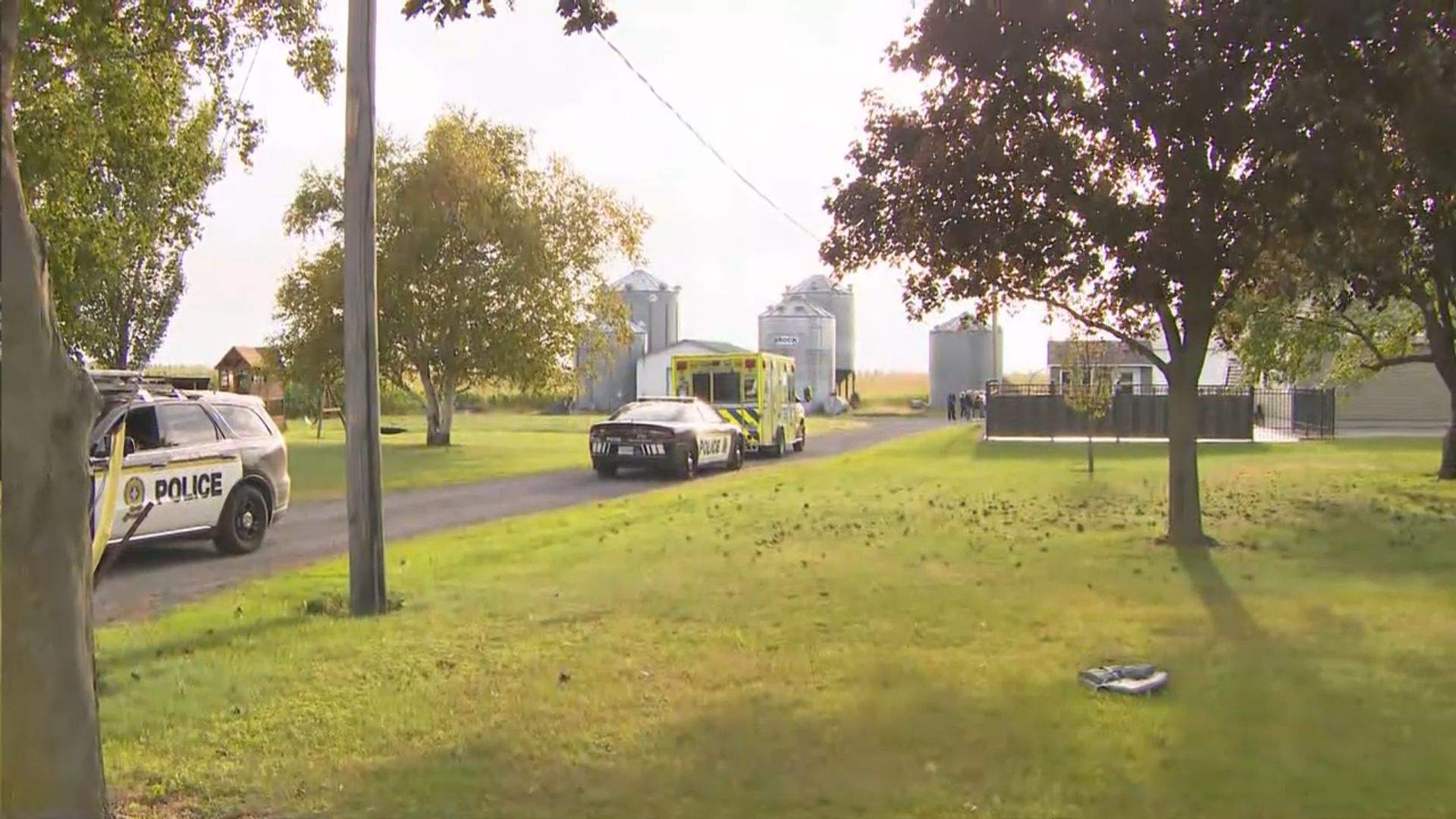
Four lives vanished on a quiet Saturday afternoon in rural Quebec. A helicopter dropped from the sky, plunging into an open field and erupting into flames.
The tragedy unfolded just after 2:30 p.m. in the Montérégie region, specifically along the Rang des Écossais in Sainte-Brigide-d'Iberville. Southeast of Montreal, this flat agricultural community rarely sees drama of this magnitude. Local fire crews managed to contain the raging blaze within an hour, but the outcome was already sealed. All four occupants were pronounced dead at the scene.
When a crash like this happens, the immediate shock quickly gives way to complex investigative work. Why did the aircraft go down? Did the fire start mid-air or upon impact? These questions drive the ongoing response from regional authorities and federal transportation investigators.
The Early Timeline and Official Response
Emergency services rushed to the remote field following reports of the downed aircraft. The Sûreté du Québec (SQ) took charge of the immediate site security and initial inquiries. Because four fatalities occurred, the force's major crimes unit stepped in. That protocol standardizes the response when sudden, violent deaths happen under unclear circumstances, even if foul play isn't initially suspected.
Simultaneously, the Transportation Safety Board of Canada (TSB) received notification. TSB investigators deploy to examine wreckage trails, weather patterns at the time of the flight, maintenance records, and pilot logs.
Public safety officials noted that the intense post-crash fire complicated visual inspections of the wreckage. Determining the exact sequence of events requires forensic engineering. Investigators must figure out if mechanical failure, pilot disorientation, or a structural issue caused the sudden descent.
What Happens During a Transport Safety Board Investigation
People often wonder how long it takes to figure out why a helicopter crashes. The reality is slow and meticulous.
- Wreckage Mapping: Investigators document every piece of metal across the field. The scatter pattern reveals how the aircraft hit the ground.
- Component Analysis: Engines, rotor blades, and flight control systems get shipped to specialized laboratories. Engineers look for signs of fatigue, bird strikes, or internal failure.
- Environmental Factors: Weather data for Sainte-Brigide-d'Iberville on that Saturday afternoon is pulled. Visibility, wind speed, and cloud cover play massive roles in low-altitude general aviation accidents.
- Human Factors: Investigators examine the pilot's background, flight experience, rest schedule, and communication logs before takeoff.
You won't get a final report next week. These federal investigations routinely take months, sometimes over a year, to reach official conclusions.
The Broader Impact on General Aviation
Tragedies in rural fields send shockwaves through the local aviation community. Small-scale helicopter and private plane operations rely heavily on rigorous adherence to safety checks. Every incident prompts other pilots and operators to re-evaluate their own maintenance schedules and flight planning.
Communities near Sainte-Brigide-d'Iberville are left processing the sudden violence that disrupted their weekend. First responders and local officials face the emotional toll of managing a mass-casualty scene in a quiet rural backyard.
As the Sûreté du Québec and the TSB piece together the final moments of that flight, the focus shifts entirely to accountability and prevention. Check local news updates for official announcements regarding the release of the preliminary safety board findings.