You'd think by 2026, approving the single largest coal mine extension in a state's history would require a long, agonizing public reckoning. You'd be wrong.
In New South Wales, the Independent Planning Commission just greenlit the Hunter Valley Operations extension, keeping the massive export mine running until 2045. It’s a staggering decision. The mine is projected to pump roughly 809 million tonnes of carbon dioxide into the atmosphere once the coal gets burned. That's nearly double Australia's total annual climate pollution.
State Premier Chris Minns jumped on radio to praise the move immediately. He called it a "hugely important" win for the local economy that props up thousands of jobs and brings in billions in royalties. He skipped right past the minor detail that we're staring down a catastrophic climate trajectory.
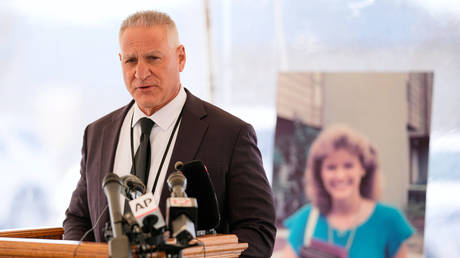
Matt Kean, chair of the Climate Change Authority and former state energy minister, didn't mince words about it. He called out the glaring blind spot in the planning commission's calculus: they completely ignored the economic damage that climate change inflicts on everyday Australians.
Here's the brutal truth about how these approvals keep happening. Governments love short-term revenue math. They weigh immediate job numbers and royalties against abstract, long-term environmental degradation. But the damage isn't abstract anymore. It's showing up on your grocery bill, your insurance premium, and your local infrastructure budget.
The Math Doesn't Add Up
When you look at the approvals process for massive fossil fuel projects, a glaring disconnect jumps out. Planning panels are mandated to weigh local costs and local benefits. They count every direct job in Singleton. They count every dollar of state revenue.
What they don't do is put a dollar value on the climate chaos unleashed when those hundreds of millions of tonnes of coal are shipped overseas and burned.
Kean pointed out a hard reality. Climate-related disasters are projected to cost Australians tens of billions of dollars a year within a couple of decades. Every fraction of a degree of global heating adds another zero to that national repair bill. Yet, state planning systems treat those costs as someone else's problem.
Premier Minns argued the mine is necessary to support regional families. Nobody denies that transition is painful for coal communities. But pretending we can dig our way out of a climate crisis by doubling down on massive extraction projects is economic self-harm disguised as pragmatism.
The Political Buck Passing
Right now, everyone is playing a game of hot potato with responsibility.
State governments approve the mines because they want the royalties. They lean on the argument that if Australia doesn't dig it up, someone else will. Meanwhile, federal politicians point out that national environment laws don't currently treat Scope 3 emissions—the pollution created when other countries burn our exported coal—as a valid reason to block a development.
The mining lobby knows this game well. Groups like the NSW Minerals Council wasted no time welcoming the decision. They even urged the state government to rush through legislation preventing climate activists from challenging these approvals in court. They want a frictionless pipeline straight to the export terminals.
On the other side, minor parties and Pacific climate campaigners are furious. With international climate summits looming, Australia keeps walking into global negotiations holding a shovel in one hand and a net-zero pledge in the other. It’s a diplomatic joke, and our regional neighbors know it. Pacific communities are already dealing with rising seas and intensifying cyclones. They don't want to hear about NSW job figures when their homes are washing away.
What Happens Next
The Hunter Valley Operations extension still needs a final tick under federal environment law before the end of the year.
Will the federal government block it? Unlikely. Current laws make it extraordinarily difficult to stop a project on climate grounds alone. Unless political pressure forces a radical rewrite of national environmental frameworks, fossil fuel expansions will keep sliding through the bureaucratic cracks.
If you're watching this unfold, don't expect a sudden epiphany from policymakers. The financial addiction to coal royalties runs deep.
The real cost of these decisions won't be paid by the executives at Yancoal and Glencore, or by politicians giving cheerful radio interviews. It'll be paid by you, through higher food prices, soaring insurance rates, and communities left to rebuild after the next extreme weather event. The crisis isn't coming down the track. It's already here, balancing its checkbook against our future.