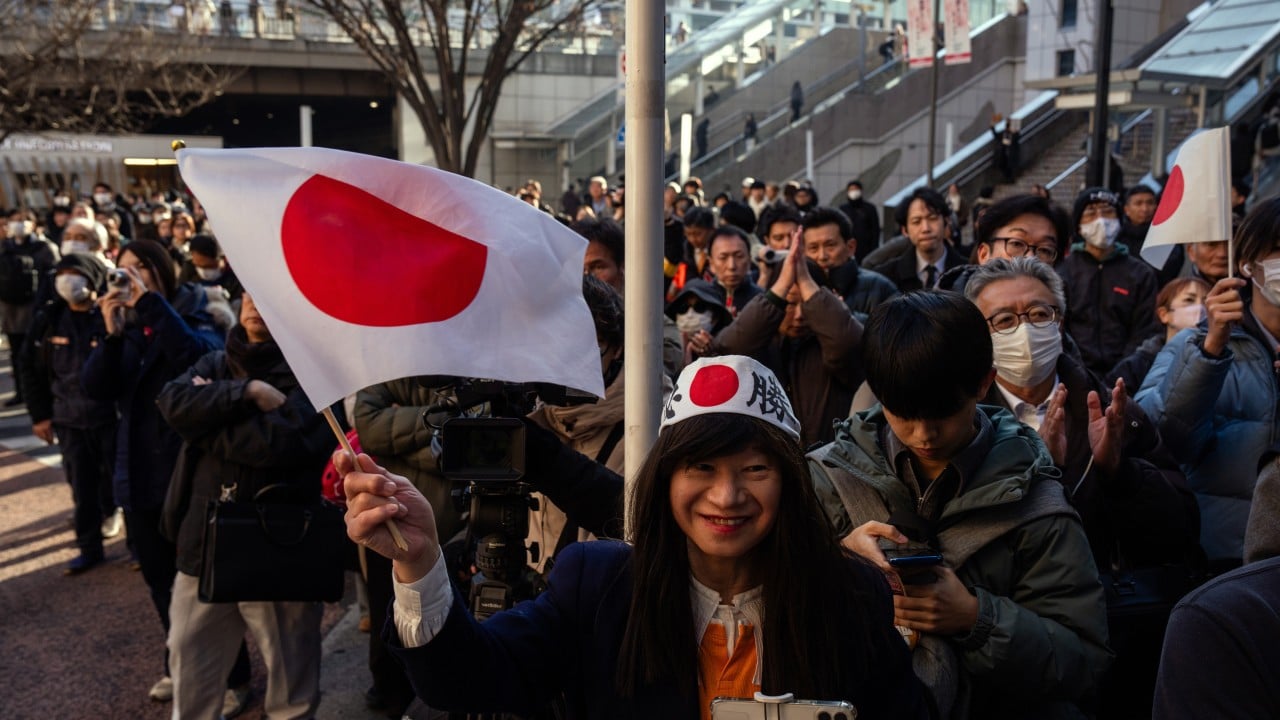
Japan faces a severe demographic crisis. Yet online platforms are flooded with viral lies blaming foreign workers for local crimes. This surge of anti-foreigner misinformation isn't just an internet nuisance. It's actively reshaping Japanese politics and powering far-right gains.
If you look at the numbers, the panic makes zero sense. Japan needs millions of foreign workers just to keep basic infrastructure running as the population ages and shrinks. But social media algorithms thrive on outrage. False claims about immigrant crime spread faster than boring statistical realities. Politicians looking for easy scapegoats are riding this wave straight into public office, exploiting public anxieties about cultural change.
The Anatomy of Viral Xenophobia in Modern Japan
Misinformation rarely starts at the top. It bubbles up through localized social media threads, viral posts exaggerating minor incidents, and anonymous accounts framing normal social friction as an existential threat. When a crime occurs involving a non-Japanese citizen, online commentators instantly amplify the suspect's nationality out of all proportion. When a Japanese citizen commits the exact same crime, nationality gets ignored.
This selective reporting creates a distorted reality. Casual observers scrolling through X or TikTok get the impression that foreign residents are turning neighborhoods unsafe. Analysts point out that this playbook mirrors political tactics seen across the West. Blaming outsiders provides an emotional shortcut. It's much easier to point fingers at a visible minority than to solve complex structural issues like declining birth rates, stagnant wages, and outdated labor policies.
Economic Contradictions and Labor Realities
You can't talk about this trend without looking at the massive economic contradiction at play. Japan's convenience stores, construction sites, hospitals, and agricultural sectors rely heavily on foreign labor. Without overseas workers, entire industries would grind to a halt overnight.
Yet, public discourse treats these same workers as invaders rather than essential economic lifelines.
- Labor Shortages: Key sectors face severe deficits, forcing businesses to compete fiercely for scarce talent.
- Social Integration: Communities often lack institutional support to integrate newcomers smoothly, creating minor frictions that misinformation campaigns eagerly weaponize.
- Political Backlash: Nationalist factions leverage these friction points to demand stricter borders, ignoring the economic collapse that would follow.
How Political Opportunism Capitalizes on Fear
Far-right groups in Japan are capitalizing on this manufactured panic. By framing everyday social anxieties as an invasion, they're pulling mainstream political discourse further to the right. Traditional parties find themselves scrambling to adopt tougher stances on immigration just to retain voters who have swallowed the digital narrative.
Fighting back against this trend is exhausting. Fact-checkers are constantly overwhelmed by a firehose of falsehoods. By the time a rumor gets debunked, thousands of users have already shared it, absorbed it, and moved on to the next outrage trigger.
The danger for Japan isn't just about political polarization. It's about closing doors to the exact people the country needs to survive. If policymakers don't address the root causes of disinformation and push back against xenophobic rhetoric, Japan risks turning its demographic survival into an ideological trap. Stop ignoring the digital pipeline radicalizing public opinion. Real economic survival requires welcoming reality, not hiding behind manufactured myths.