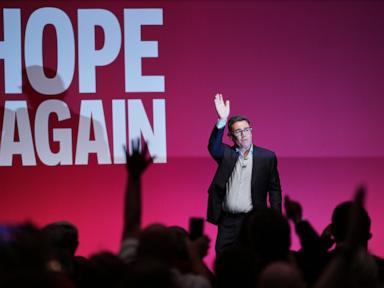
Small tweaks won't fix a broken system. Prime Minister Andy Burnham just staked his entire premiership on that exact realization.
Standing before the Labour Party annual conference, Burnham delivered a high-stakes address that promised a complete rewrite of how Britain operates. He pitched a brand-new social contract for the twenty-first century, vowing to tackle electoral reform, reset frayed European ties, and rebuild neglected public services. But here is the catch: fixing these long-standing structural failures means stepping on some very powerful toes.
You cannot promise sweeping improvements to social housing, education, and elder care without paying for them. Burnham admitted straight away that the funding must come from tough decisions regarding welfare and pension spending, including the potential overhaul of the traditional pensions triple lock. It is a bold, confrontational gamble that separates him from standard political cautiousness, but it leaves political analysts wondering if he can pull it off before public backlash catches up.
The Real Cost of a New Social Contract
For years, voters have grown tired of slick politicians offering minor adjustments while the country's core infrastructure crumbles around them. Burnham's speech aimed straight at that frustration. By introducing a framework he calls the Makerfield test—anchored by ordinary constituents brought directly from his local area into the conference hall—he tried to ground his national ambitions in everyday reality.
Yet, ambition comes with a steep price tag. Public health and social care systems are stretched to a breaking point. Water companies face intense pressure to return to public control, and energy markets require heavy intervention. To fix the energy crisis, Burnham announced plans for a publicly owned "Great British Grid" designed to bring down household bills to European levels within a decade.
These are massive undertakings. They sound incredible on paper, but turning them into reality requires overcoming immense financial and bureaucratic hurdles. Critics are already lining up to question where the money will actually land once the dust settles.
Navigating the Political Minefield
Electoral reform and resetting relationships with European neighbors are not small talk. They open up old wounds and trigger fierce partisan debates. Burnham knows people won't agree with every piece of his blueprint. He acknowledged the friction head-on, claiming he is giving the public the honesty and clear direction they have craved for decades.
Polling suggests Burnham's personal popularity gives Labour a noticeable halo effect, but converting that leader-led momentum into lasting party strength remains an uphill battle. If a general election were held today, projections show the party might still fall short of an absolute majority. That makes his gamble even riskier. Alienating traditional voting blocks by reforming pensions or welfare could backfire before his grand vision ever takes root.
What Happens Next
Burnham has drawn a hard line in the sand. He has refused to hide behind comfortable political rhetoric, opting instead for a tough-love approach that demands structural sacrifice.
The real test starts now. Watching whether these grand pledges translate into functional policies will define his time in office. Pay close attention to how legislative proposals around welfare spending and the energy grid move through Parliament over the coming months. That is where the rhetoric meets reality.