For decades, questioning the bilateral alignment between Washington and Jerusalem was a guaranteed ticket to political exile. You didn't touch the third rail of American foreign policy. But years of devastating conflict in Gaza have fundamentally rewired how ordinary citizens, college campuses, and even lawmakers view a relationship that was once entirely immune to public debate.
The traditional bipartisan shield protecting Israeli military strategy in Washington isn't just cracked. It's fracturing along generational and political fault lines that won't simply heal when the dust settles.
Public opinion polls tell a story of rapid erosion. Recent data from organizations like Gallup highlight a dramatic shift, with approval for military operations sinking to historic lows and disapproval climbing sharply past sixty percent. It is no longer just progressive Democrats raising alarms. Independents, young voters, and a growing segment of younger Americans across the political spectrum are looking at the Middle East through an entirely different lens.
The Generational Divide That Changes Everything
If you want to understand why this shift feels permanent, look at age demographics. Older Americans who grew up with historical narratives rooted in the twentieth century still maintain favorable views of Israel. Yet younger cohorts, including Gen Z and Millennials, view the conflict through the prism of human rights, asymmetric warfare, and civilian casualties broadcasted daily on social media feeds.
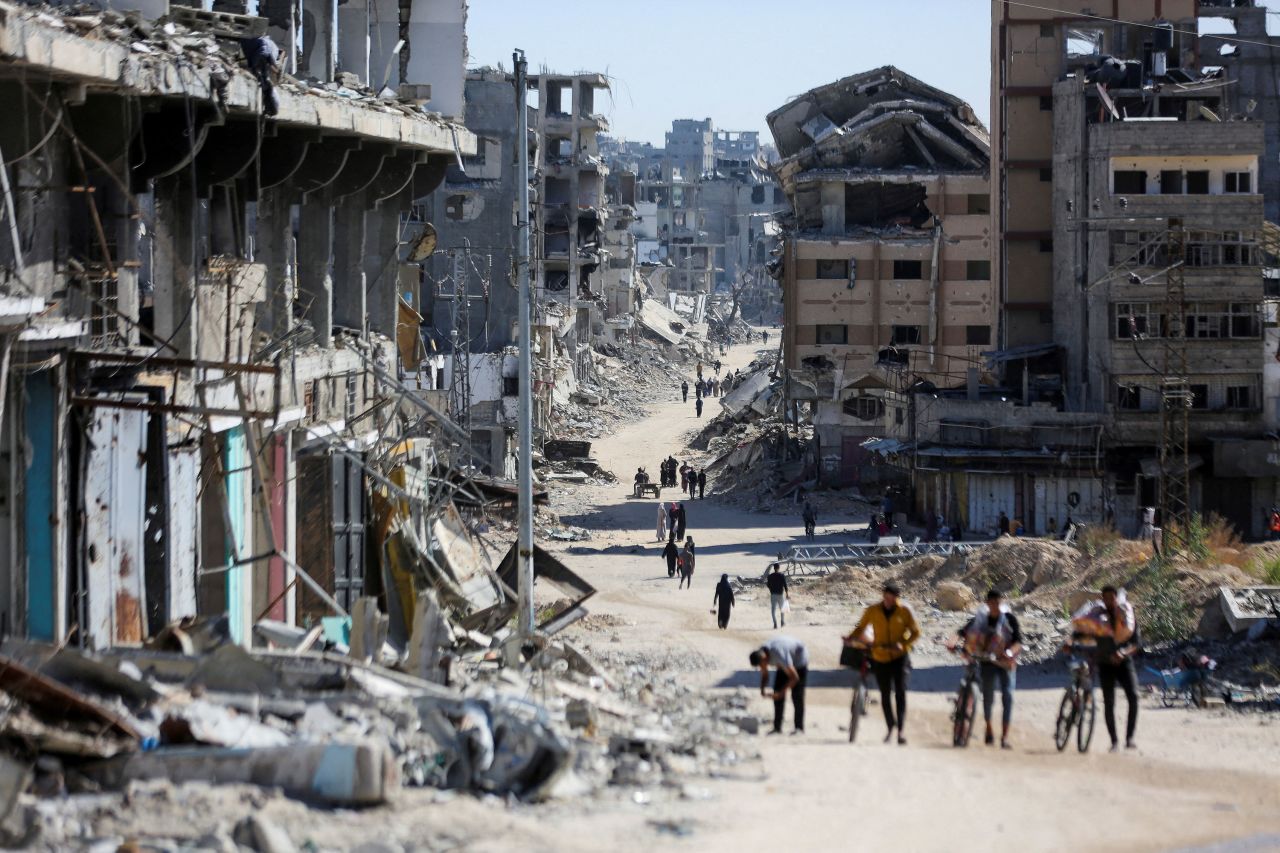
For these younger demographics, TikTok and Instagram replaced cable news as primary information sources. They watched entire neighborhoods flattened in real-time. They saw hospitals besieged and humanitarian blockades that sparked widespread international condemnation. You cannot un-see thousands of hours of graphic footage. That visual exposure creates a massive psychological gulf between generations, ensuring that future political leaders will inherit a populace deeply skeptical of unconditional foreign aid and uncritical diplomatic cover.
The Partisan Wedge
Bipartisanship used to be the bedrock of American Middle East policy. Today, support for Israel has transformed into a deeply polarized partisan wedge. While a strong majority of Republicans remain steadfast in their backing of the Israeli government, Democratic voters and progressive lawmakers have grown increasingly vocal in their opposition.
This split creates severe headaches for party strategists. Elected officials who once offered routine rubber stamps for military funding packages now face intense primary challenges from grassroots activists demanding accountability and human rights conditions on aid. When a foreign policy issue becomes a domestic culture war litmus test, the old consensus dies a quiet death.
Why the Status Quo is Gone for Good
Washington politicians still talk about the unbreakable alliance, but the reality on the ground has shifted beneath their feet. Institutional backing remains strong inside the Beltway, but the cultural and moral legitimacy that once sustained it has eroded.
The real question isn't whether the old consensus survived Gaza. It didn't. The real question is how American foreign policy will adapt as a new generation of skeptical voters takes the reins of political power.