You walk into a local clinic, sign a stack of clipboard paperwork, and wait an hour just to see a practitioner because your region has a chronic physician shortage. Meanwhile, down the street, an extensively trained foreign doctor drives a rideshare car because bureaucratic red tape locks them out of the examination room. It makes zero sense.
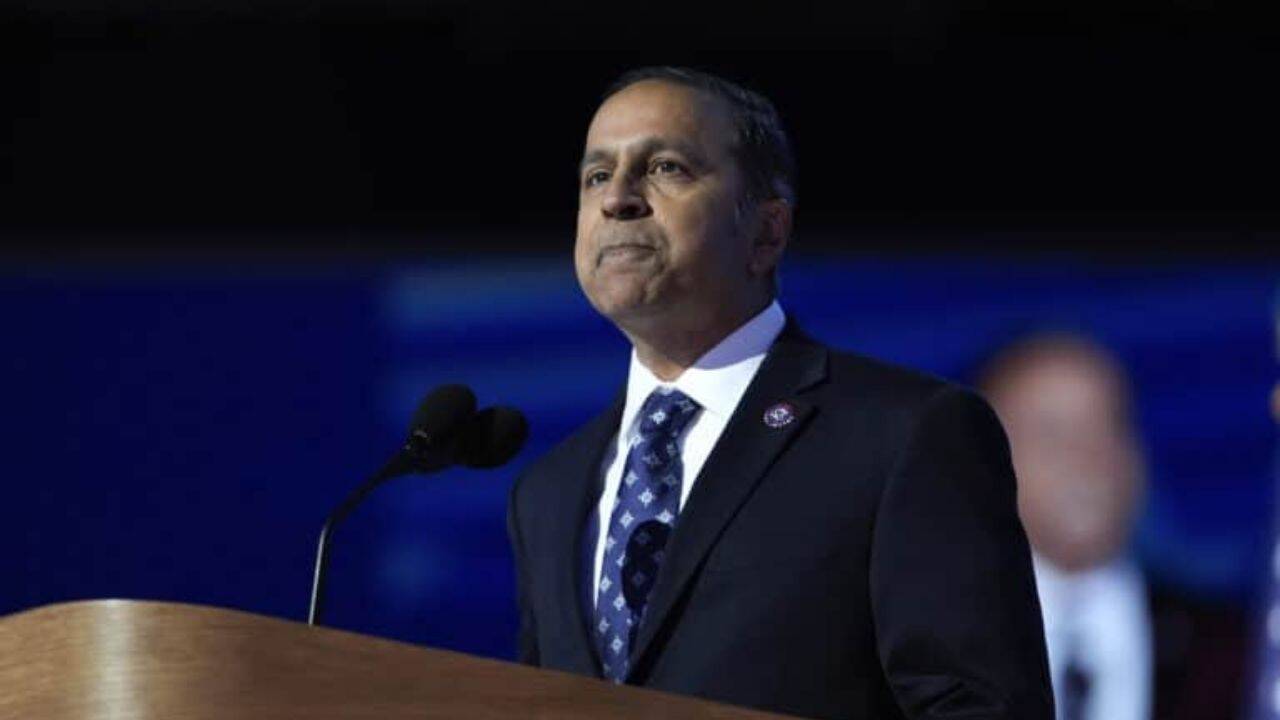
The disconnect between America's desperate need for medical staff and the millions of credentialed foreign-trained professionals sitting on the sidelines is staggering. Lawmakers are finally attempting to clean up this structural mess. US Representative Raja Krishnamoorthi, alongside Representative Adam Smith, has introduced two distinct pieces of legislation designed to dismantle these licensing barriers and help immigrant doctors and nurses enter the workforce where they belong.
The Real Cost of Locked Credentials
If you have ever talked to an internationally trained physician or nurse who moved to the United States, you know the frustration firsthand. They spend years studying medicine, performing surgeries, or managing hospital wards abroad, only to arrive stateside and discover their degrees carry the weight of blank paper.
The numbers tell an ugly story. A study from the Migration Policy Institute highlights that over two million college-educated immigrants in the United States end up unemployed or severely underemployed. At the exact same time, the Association of American Medical Colleges projects a primary care physician shortage reaching up to 48,000 positions by 2034. On the nursing side, hospitals need to hire roughly 200,000 nurses every year just to keep pace with an aging population and retiring staff.
Leaving talent on the bench while patients wait weeks for appointments is completely counterproductive.
What the New Legislation Changes
The legislative package targets two different pain points in the healthcare pipeline.
The first proposal, the Immigrants in Nursing and Allied Health Act, creates specific federal grants. These funds support training, licensing, certification, and case management programs for immigrants pursuing healthcare careers. Crucially, the bill also expands National Health Service Corps eligibility to non-citizens. It covers a wide range of critical professions beyond traditional nursing, including dental hygiene, physical therapy, occupational therapy, respiratory therapy, and speech-language pathology.
The second proposal, the Internationally Trained Physicians Assistance Act, tackles the immense hurdles foreign doctors face. It encourages individual states to establish temporary licensing programs. These programs allow qualified foreign-trained physicians to practice under proper supervision while finishing the remaining requirements for a full US medical license.
To help candidates clear financial roadblocks, the grants assist with exam preparation costs, testing fees, certification paperwork, and English-language classes. The bill also secures guaranteed residency positions for internationally trained physicians who commit to serving medically underserved communities.
Why This Matters Right Now
Opponents often argue about quality control and standards, but the proposed bills don't lower the bar—they provide a bridge. Doctors and nurses trained overseas still have to prove their competence, pass rigorous exams, and meet clinical oversight standards. The legislation simply removes the arbitrary financial and logistical brick walls that keep qualified individuals from even attempting the transition.
Communities outside major metropolitan areas stand to benefit the most. Rural towns and low-income urban neighborhoods struggle constantly to attract medical talent. When foreign-trained doctors are willing and eager to set up practices in those exact regions, creating a legal pathway for them is a practical solution.
Real change in immigration and labor policy happens slowly, but putting this issue front and center shifts the conversation toward economic common sense. If you care about fixing healthcare access, supporting these practical credential reforms is a good place to start demanding action from local representatives.