Money talks loudly in modern philanthropy, usually accompanied by press releases, ribbon cuttings, and a donor's name plastered across a brass plaque. That is why a recent five million dollar gift to Louisville's historic Chickasaw Park caught everyone completely off guard.
The benefactor refused to attach a name, a corporate logo, or a vanity project demand to the check. They simply asked the Olmsted Parks Conservancy to log the contribution under a single, understated title: a Louisvillian who loves the parks.
It is a massive windfall for a historic greenspace. More importantly, it breathes new life into a property that served as a refuge during America's ugliest decades of segregation.
The Weight of History at Chickasaw Park
Most public parks are taken for granted. You show up, walk the dog, toss a frisbee, and leave. Chickasaw Park is different.
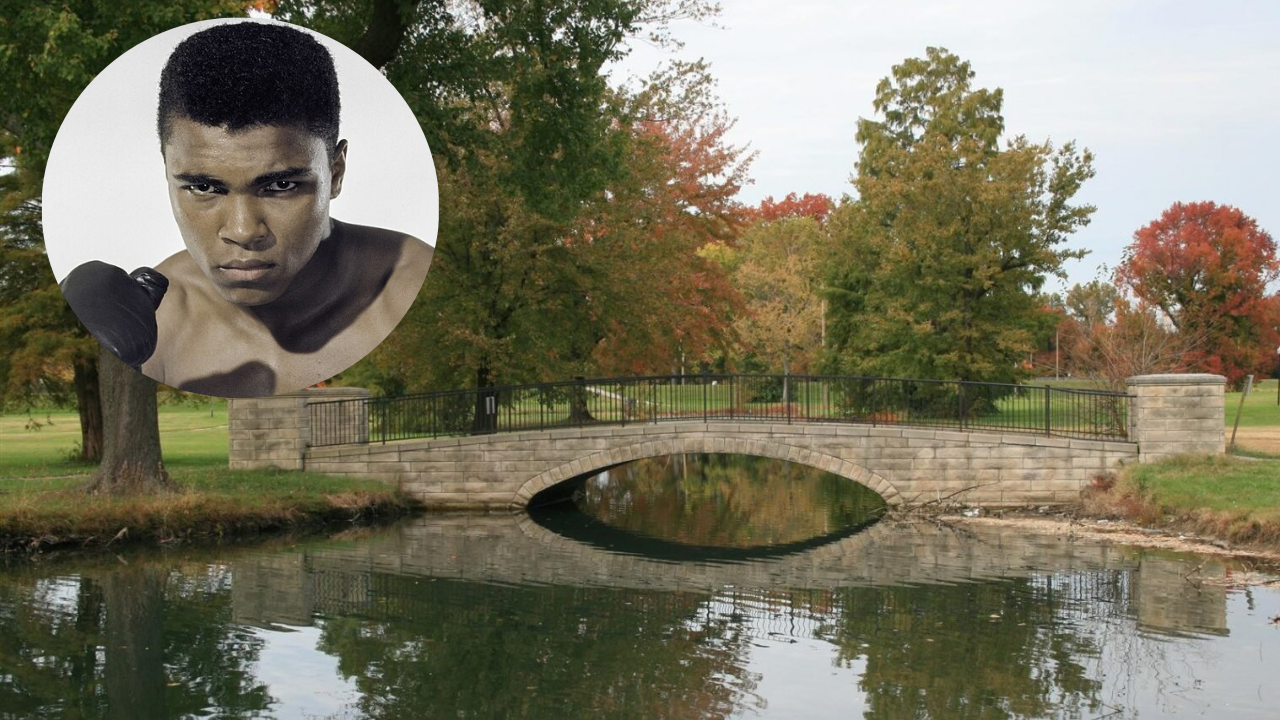
Spanning roughly sixty-one acres along the Ohio River in West Louisville, the property was designed in 1923 by the famed Olmsted firm. During the Jim Crow era, it held a singular, painful distinction. It was built specifically as a recreational haven for Black residents who were barred from entering Louisville's other public parks.
Black families built traditions here. They hosted massive family reunions, organized community leagues, and claimed a piece of the outdoors when society tried to push them to the margins.
Tennis had its own special chapter at the park. The West Louisville Tennis Club set down roots there the year the park opened. Decades later, tennis legend Althea Gibson played a tournament on those courts.
The Muhammad Ali Connection
Every local kid in West Louisville knew the park, but one grew up to change the world. Muhammad Ali lived nearby, pounding the pavement and sparring around Chickasaw Park as a young athlete shaping his legendary stamina.
The Conservancy openly calls it Ali's favorite park. Walk the grounds today, and you will spot historical markers featuring photographs of the young champion alongside local tennis club members.
When a place holds that much cultural DNA, neglect hurts twice as hard. Decades of underfunding took a heavy toll on the park's infrastructure, playgrounds, and historic lodge.
Where the Five Million Dollars Goes
Five million dollars buys a lot of concrete and landscaping, but the Olmsted Parks Conservancy isn't just patching potholes. The money funds a comprehensive restoration mapped out with heavy input from local residents and neighborhood advocates.
A community steering committee is guiding the project, ensuring the changes reflect what actual neighbors want to see. The plans target major overhauls for the playgrounds, the sprayground, and the scenic river-view areas. Extensive tree planting and landscape restoration will bring back the lush canopy that historic Olmsted designs demand.
Longtime residents are watching closely. People like 94-year-old Elmer Lucille Allen, who has lived within walking distance since the 1960s and helped launch the Chickasaw Little League because local Black children were locked out of white leagues, view this cash injection as overdue justice for a vital community anchor.
Why Anonymity Matters
In an era where billionaires fight for space in headlines by launching rockets or buying social media platforms, total anonymity feels radical.
The donor didn't want a building named after them. They didn't want a seat on a board. They didn't want a PR victory. According to park officials, the anonymous benefactor simply hoped the massive check would inspire ordinary citizens to look at their local public spaces differently and chip in whatever they can afford.
Public parks survive on budgets that routinely get slashed when city councils look for easy cuts. When a private citizen drops five million dollars with zero strings attached, it sends a clear message. Community spaces matter. History matters.
The heavy machinery rolled in, and the work is moving fast. Louisville is getting its crown jewel back, funded by someone who didn't even want a thank you.