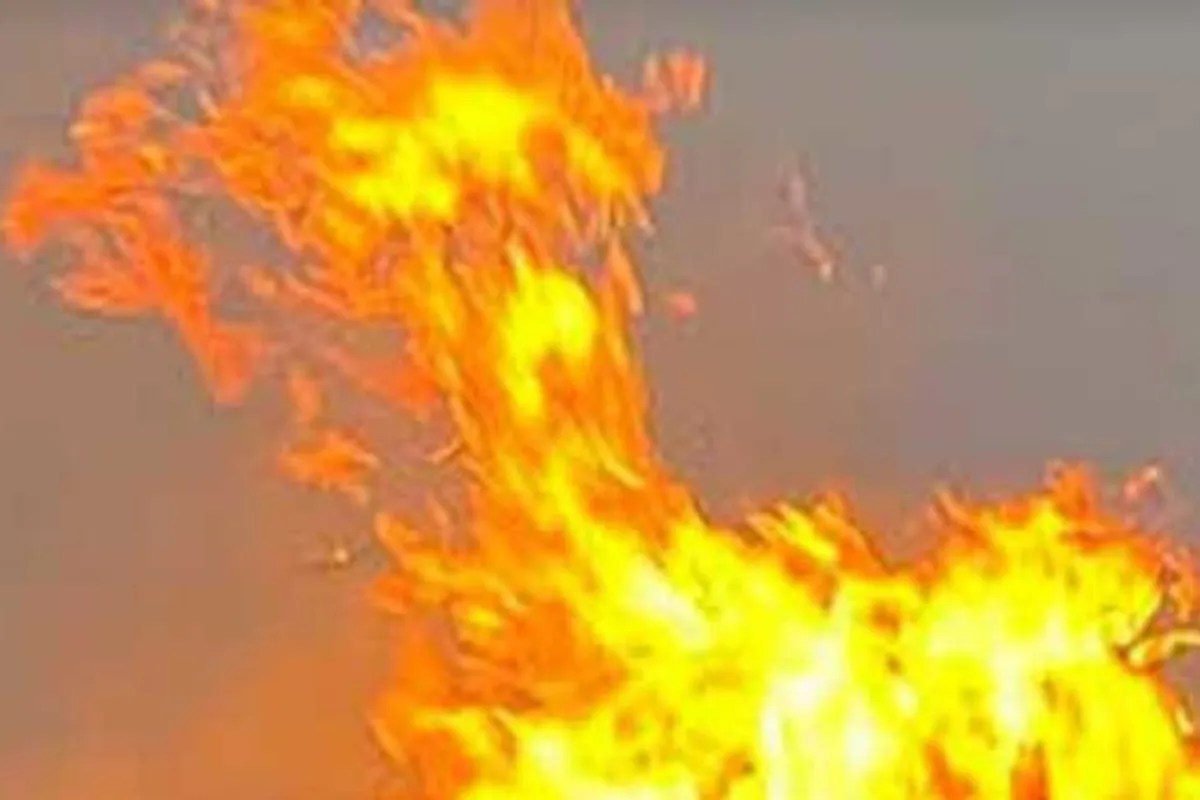
Tragedies strike fast. When a family home in Japan caught fire recently, the speed of the disaster left little room for escape, claiming three lives and leaving four children unaccounted for.
Honest reporting matters when overseas breaking news hits the wire. Instead of recycling thin agency copy, let's look at what actually happened in Tsu city, Mie Prefecture, and why residential fires in densely packed neighborhoods remain a persistent danger.
The Incident in Tsu City
Local authorities and emergency response teams rushed to a residential blaze in Tsu city, Mie Prefecture. By the time firefighters contained the flames, three people were confirmed dead. Search and rescue teams immediately scrambled to locate four children who remained missing as firefighters sifted through the charred remains of the structure.
Residential fires in Japan present unique structural challenges. Traditional wooden housing elements combined with modern urban density mean that when a fire breaks out, it spreads with terrifying speed. Neighbors often have mere minutes to react before smoke and intense heat block escape routes.
Why Urban Residential Fires Move So Fast
If you've ever walked through older neighborhoods in Japanese cities, you notice how close the houses sit to one another. Eaves nearly touch. Roads narrow down to alleyways where large fire trucks struggle to navigate.
- Structural density: Fire jumps from one building to the next before pumps can be set up.
- Construction materials: Older homes feature wood frames and paper sliding doors that offer zero fire resistance.
- Response hurdles: Narrow streets delay heavy municipal equipment from reaching the seat of the blaze immediately.
When an emergency hits, these structural realities turn minor kitchen mishaps or electrical faults into catastrophic structural failures. Japan's fire services are among the most efficient in the world, yet physics and urban design still pose massive hurdles during midnight blazes.
Emergency Preparedness Lessons
Disasters don't wait for a convenient time. While investigators work to determine the exact cause of the Mie Prefecture fire, homeowners everywhere can take concrete steps to protect their families.
Working smoke detectors save lives. That's not a cliché; it's a statistical reality. In many fatal residential fires, units lack functioning early-warning alarms or batteries fail. Testing your alarms monthly gives you the early warning you need to get out before toxic smoke fills the rooms.
Keep escape routes clear. Don't stack boxes or bicycles in hallways or near secondary exits. In a panic, seconds count, and tripping over clutter can seal your fate.
Stay safe, check your home safety equipment today, and keep local communities in your thoughts as families cope with unthinkable loss in Tsu city.