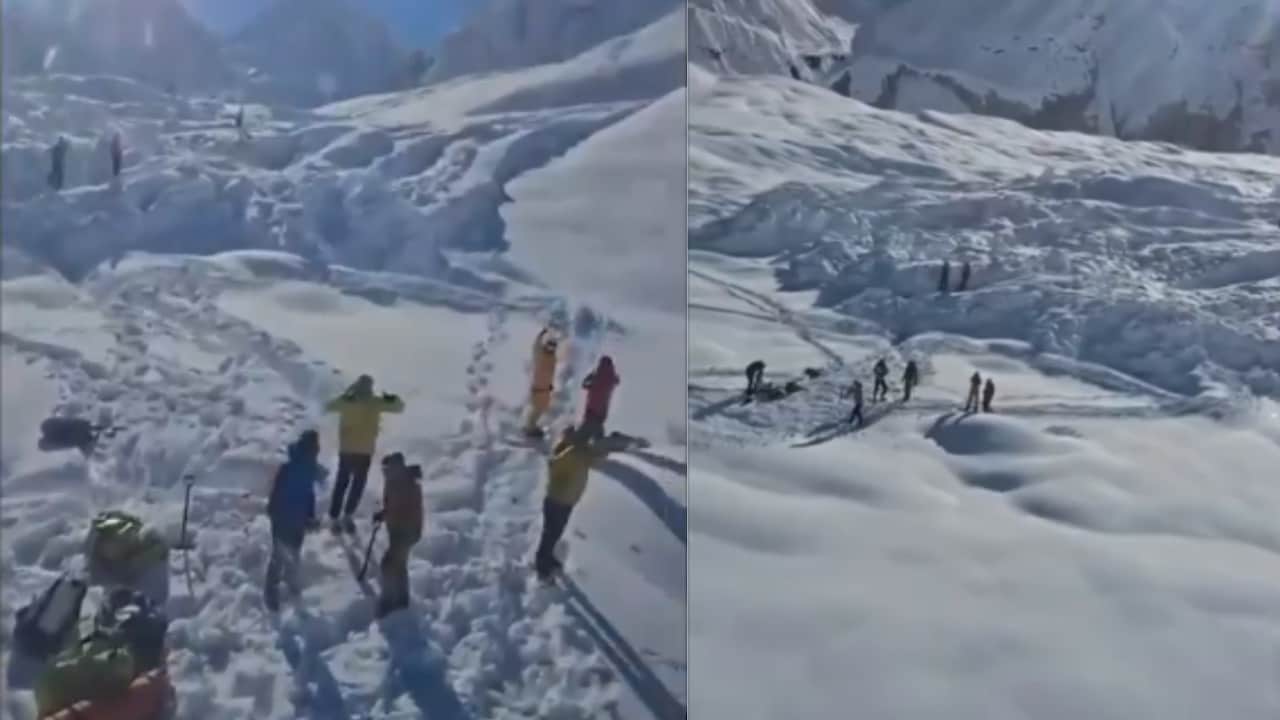
Helicopter blades churned through thin air above the Manang district, capturing a landscape transformed into a white graveyard. Fresh aerial footage from Nepal's Himlung Himal peak doesn't just show snow. It reveals yellow mountain tents crushed beneath feet of heavy debris, silent witnesses to a disaster that caught experienced climbers and support staff off guard. Four people are dead. Eight remain missing. And the climbing community is once again left asking uncomfortable questions about timing, risk, and climate reality in the Himalayas.
The avalanche hit the base camp of the 7,126-meter peak on a Sunday. Continuous rain and heavy snowfall across Nepal's mountainous regions created a ticking clock that finally went off. When the massive wall of snow slammed into the camp, it buried tents where Nepalese guides and support staff were taking shelter. Out of twenty-two people initially listed as missing, search teams have only managed to contact ten. The confirmed victims—Chhebi Bhote, Pasang Bhote, Birendra Gurung, and Ghan Shyam Rai—remind us that local mountain workers bear the brunt of these tragedies, often taking risks that international climbers pay handsomely to avoid. Read more on a similar subject: this related article.
The Reality of Base Camp Vulnerability
Most people assume base camps are safe havens. They picture sturdy wooden lodges, secure communication centers, and predictable weather forecasts. Reality looks entirely different. At 7,126 meters, Himlung Himal's base camp sits in a precarious alpine zone where safety is an illusion.
Tents go up wherever flat ground exists, which often places climbers directly in the path of natural discharge chutes or unstable moraine walls. When relentless rain turns to heavy snow, the structural integrity of the snowpack collapses overnight. Further analysis by The New York Times explores related views on the subject.
- Base camps are temporary setups exposed to extreme weather shifts.
- Support staff spend more time in high-risk zones than clients.
- Communication lines snap instantly when power sources fail or satellite links freeze.
Why Autumn and Late-Season Climbs Are Changing
High-altitude mountaineering in Nepal used to follow predictable seasonal rhythms. Spring meant stable windows for summit pushes. Autumn offered crisp air and clear skies after the monsoon cleared.
Those rules don't apply anymore.
Unpredictable weather patterns, driven by erratic regional climate shifts, mean that heavy rain and unseasonal snowstorms now strike when climbers least expect them. This disaster follows hot on the heels of catastrophic flash floods that killed over 1,450 people across Nepal earlier in the year. The entire Himalayan ecosystem is under severe stress. Mountain slopes that used to hold firm through September are now saturated with water, turning ordinary snowstorms into deadly slides.
What Happens When the Choppers Finally Land
A fourteen-member rescue team flew out from Chame on Monday morning, battling low clouds and treacherous wind currents to reach the Himlung base camp. Yet, rescue operations at this altitude are painfully slow. Helicopters can only fly when visibility permits. Rescuers on the ground face the constant threat of secondary avalanches triggered by vibrations or rising daytime temperatures.
Time is the ultimate enemy. At freezing temperatures, buried survivors have a tiny window for oxygen and hypothermia survival. Every hour spent waiting for a break in the weather drops the survival odds close to zero.
Facing the Hard Truth About Mountain Tourism
Nepal's economy relies heavily on the revenue generated by mountaineering expeditions and trekking tourism. Thousands of families depend on guiding, cooking, and portering jobs. Because of this economic lifeline, climbing permits keep getting issued even as meteorological warnings flash red.
Tourists want their bucket-list summits. Agencies want to protect their profit margins. Local governments need the tourism dollars.
Until the industry rethinks base camp placement, seasonal safety cutoffs, and mandatory real-time weather monitoring for all support teams, tragedies like Himlung Himal will keep happening. If you are planning a high-altitude trek or expedition, don't rely solely on agency assurances. Demand to know the exact evacuation protocols, emergency shelter locations, and weather contingency plans before you step foot on the trail.