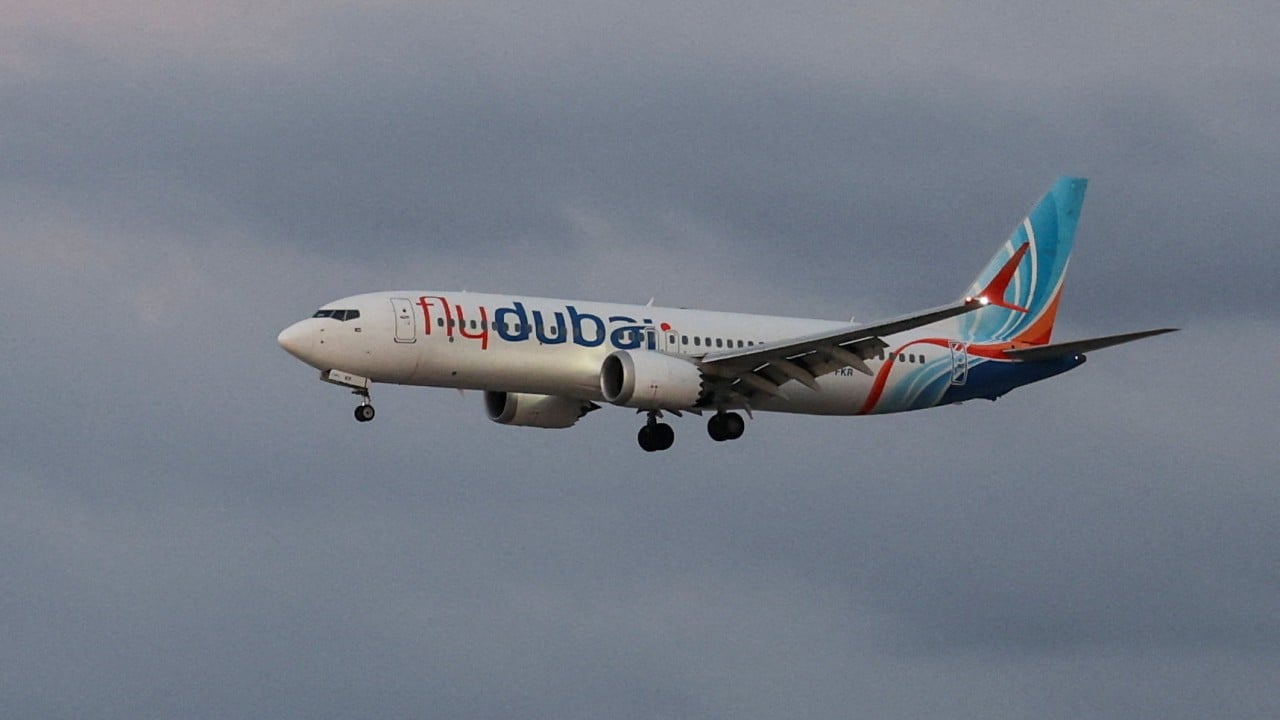
A commercial flight should never become a battlefield. When a routine journey from Dubai to Tel Aviv suddenly turns into a desperate struggle for control at 34,000 feet, the implications stretch far beyond a single violent act. The recent mid-air emergency aboard Flydubai Flight FZ1073 has laid bare glaring vulnerabilities in pilot background checks, regional intelligence sharing, and the fragile state of aviation security in a deeply volatile Middle East.
Reports revealed that Hamam Alhamami, the Omani co-pilot accused of attacking Captain Smit Machchhar, had previously been barred from flying by his home country. Omani authorities had grounded him over suspected radical ideological views after tracking his online activity, which included exposure to extremist propaganda. Yet, despite being flagged and sidelined by Oman Air, Alhamami managed to slip through hiring filters, secure a position with Flydubai in the United Arab Emirates, and step into a commercial cockpit carrying 182 passengers.
How does someone flagged for extremism by national authorities walk into a modern flight deck? That is the question aviation regulators, security agencies, and airline executives are scrambling to answer.
The Security Gap No One Wants to Discuss
Aviation screening is notoriously thorough when it comes to technical competence, flight hours, and medical fitness. But psychological profiling and ideological background checks remain dangerously fractured. Cross-border intelligence sharing between Middle Eastern nations is often hindered by political friction, bureaucratic inertia, and a lack of unified databases.
When Alhamami left Oman after being placed on desk duty or resigning, his operational security flag did not automatically follow him across borders. Flydubai hired him without apparent awareness of his prior vetting issues in Oman. It highlights a massive blind spot: airlines rely heavily on standard background clearances and self-reported applicant histories, assuming that commercial pilots have clean records unless an international warrant exists.
If a pilot can be grounded by one national carrier for radicalization and simply cross a border to fly for another, the entire global aviation safety model has failed.
Inside the Cockpit Chaos
The attack itself unfolded with terrifying speed. According to flight tracking data and passenger accounts, the Boeing 737 plunged roughly 14,000 feet in less than 30 seconds as the co-pilot allegedly lunged at Captain Machchhar. Covered in blood and fighting for his life, Machchhar managed a heroic act of survival. Despite severe wounds, he fought off the assailant and managed to release the cockpit door lock.
That split-second decision saved the flight. Passengers and crew members—including off-duty pilots and alert travelers—rushed into the flight deck, overpowered the attacker, and tied him down. The plane eventually made an emergency landing in Tabuk, Saudi Arabia, averting what could have been a catastrophic disaster over a region already sitting on a geopolitical powder keg.
The Immediate Aftermath and Fallout
The fallout was swift. The UAE suspended all commercial flights to Israel, leaving hundreds of travelers stranded until emergency repatriation flights could be organized through diplomatic channels. Israeli officials quickly classified the incident as an act of Islamist-inspired terrorism aimed at striking a high-profile target during a sensitive political climate. Meanwhile, political spin in Israel and across the region turned the cockpit struggle into a weapon for competing narratives about national security and regional stability.
Beyond the political posturing, airlines operating in high-tension corridors are now forced to re-evaluate their security protocols. Carriers can no longer treat pilot recruitment as a routine human resources exercise. Implementing mandatory international security clearances, rigorous psychological evaluations, and standardized cross-border intelligence sharing for flight crews is no longer optional.
If airlines want to restore passenger trust, they need to fix the cracks in their vetting processes before the next flight pushes off the gate.