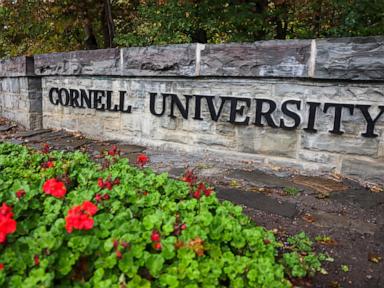
Text messages change everything. When public documents and private chats leak into the open, simple narratives shatter instantly. That's what happened when transcripts and text threads emerged from Cornell University, thrusting a high-stakes civil lawsuit and a reopened criminal investigation into the national spotlight.
If you've followed the headlines regarding Jane Doe and the members of the Chi Phi fraternity—often dubbed the Cornell Seven—you know the public discourse is bitterly divided. On one side, advocates point to harrowing descriptions of heavy ketamine use, disorientation, and feeling surrounded like bait. On the other, defense attorneys and online commentators scrutinize weeks of back-and-forth text exchanges where Doe initially texted accused frat members, discussed campus rumors, and even accepted party invitations before cutting off contact and going to the police.
Understanding this case requires looking past the knee-jerk internet outrage. The reality of how young people process trauma, social pressure, and consent in modern college culture is messy, uncomfortable, and entirely misunderstood by most outside observers.
The Timeline Problem and Post-Assault Communication
One of the most heavily debated aspects of the Cornell University case involves the weeks that elapsed between the alleged October 19, 2024 incident and Jane Doe's official report to campus police on November 8.
Critics often ask a blunt question: If a serious crime occurred, why did she keep texting the accused men?
Anyone who has worked in crisis intervention or studied survivor psychology knows that post-assault communication rarely follows a neat script. Victims frequently experience intense confusion, dissociation, and fear of social ostracization. In the text transcripts unearthed during the university's internal investigation, Doe can be seen grappling with conflicting impulses. She worried about her reputation, expressed shame, and tried to navigate social dynamics within an insular campus ecosystem where fraternity networks hold immense social currency.
When texts show an alleged perpetrator apologizing for things getting "way out of hand" alongside messages where Doe reassured or chatted casually with individuals involved, the public struggles to reconcile the contradiction. Yet, psychological experts note that appeasement is a common survival and coping mechanism. A victim often tries to normalize the abnormal to regain a sense of control before the full weight of the trauma sets in.
How Campus Culture and Social Media Amplify the Fallout
The Cornell case exploded far beyond Ithaca because it hit every lightning rod of the digital age: elite Ivy League status, Greek life excess, mind-altering substances like ketamine, and social media crusades.
Within days of court documents entering public view, hashtags took over platforms like TikTok and Instagram. Women posted videos declaring, "It is me, I am Jane Doe," while other online factions tore apart every sentence of the leaked transcripts to find holes or validate biases.
Fraternity houses on campuses across the country operate as micro-societies with rigid hierarchies. When rumors spread, the immediate reflex is often self-preservation. Text messages show frat members worrying about being labeled assaulters in public, while Doe warned them that they were just covering their own tracks once the social fallout became inescapable. This dynamic highlights a broken system. Universities and local Greek chapters often fail to provide safe, confidential avenues for reporting, leaving students to hash out catastrophic violations through disappearing messages and late-night chat threads.
What Happens When Prosecutors Step In
The civil lawsuit filed against Cornell and individual fraternity members is only half the battle. The Tompkins County District Attorney's office reopened the case, signaling that a grand jury will review the evidence.
A grand jury faces a brutal evidentiary uphill climb. Text messages cut both ways in a courtroom. Prosecutors will point to statements where Doe eventually asserted that "90% of what happened that night was not consensual" and described feeling like a captive participant due to heavy substance impairment. Defense teams will seize on initial friendly interactions, invitations to upcoming events, and ambiguous phrasing to argue that the encounter was consensual in the moment and that regret or public shaming drove the legal action later.
This friction points to a broader truth about modern legal battles over consent. Juries are forced to decode the digital footprints of relationships built on fleeting interactions, party culture, and chemical impairment.
Moving Past the Headlines
Cases like the one unfolding at Cornell rarely offer clean, Hollywood resolutions. They expose the ugly underbelly of college social structures, the prevalence of dangerous substances on campuses, and the deeply flawed ways young adults communicate about boundaries.
If we want to fix campus safety, we have to stop expecting victims to behave like perfect saints and stop pretending that frat house accountability happens naturally behind closed doors. Real reform requires transparent investigations, institutional honesty from universities that look the other way, and an honest look at how social media turns human tragedies into spectator sports.
Look closely at the evidence, demand structural changes in Greek life, and stop relying on viral text threads to deliver justice.