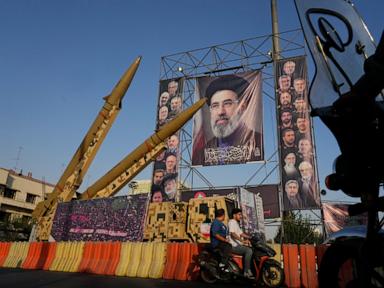
Diplomatic channels rarely move in a straight line, especially when Washington and Tehran are involved. Iranian officials just confirmed that Tehran has received an official U.S. response regarding its latest peace proposal to end the grueling seven-month war. This comes despite U.S. President Donald Trump publicly dismissing the terms just days prior.
Foreign Minister Abbas Araghchi delivered the U.S. response directly to President Masoud Pezeshkian during a high-stakes Cabinet meeting. Government spokesperson Fatemeh Mohajerani confirmed the update following Araghchi's return from New York, where he attended the United Nations General Assembly. While details of the written response remain tightly guarded, the fact that an official communication exists changes the diplomatic calculus entirely.
Behind the Scenes at the United Nations
The path to this exchange ran through intense indirect diplomacy on the sidelines of the UN gathering. Iranian delegates engaged with American counterparts through regional intermediaries, specifically leaning on Qatari and Pakistani mediators to bridge the massive trust gap.
Months of hostility have left deep scars across the region, including severe economic strains and volatile oil markets. When Tehran floated a seven-point proposal focusing on reopening the strategic Strait of Hormuz and outlining conditions for winding down hostilities, the initial reaction from Washington was ice-cold. Trump outright rejected the terms in public statements, signaling that the pressure campaign would continue without compromise.
Yet behind closed doors, diplomatic survival instincts often override public posturing. Mediators kept the lines open, turning a flat refusal into a formal written response that is now being analyzed line by line in Tehran.
What Iran and Washington Want Next
To understand why this response matters, you have to look at what both capitals are trying to achieve behind their tough rhetoric.
Tehran faces crippling economic pressures, domestic scrutiny, and ongoing security concerns. Iranian leadership wants sanctions relief and recognition of its regional standing without projecting weakness to its domestic hardliners. President Pezeshkian continues to advocate for a strategy that defends Iranian rights while seeking a way out of the grinding conflict.
Washington, on the other hand, wants to stabilize Middle Eastern shipping lanes, curb security threats, and project strength on the global stage. Oil prices spiked immediately following reports that Trump denied plans to ease sanctions in exchange for nuclear concessions, showing how jittery global markets remain over every diplomatic twist.
The Road Ahead for Middle East Peace
Don't expect an immediate peace treaty just because a piece of paper changed hands. Official responses in high-stakes conflicts often contain counter-conditions, strict demands, and diplomatic warnings rather than immediate concessions.
The immediate next steps depend entirely on how President Pezeshkian and Iran's Supreme National Security Council choose to frame the U.S. reply. If Tehran treats the response as a conversation starter, indirect talks will likely continue through Qatari and Pakistani channels. If they view the terms as a total non-starter, the region could see an escalation in rhetoric and renewed military posturing.
Watch the Strait of Hormuz and upcoming statements from foreign ministries closely. That will tell you whether this diplomatic exchange is a genuine opening or just another short-lived detour in a long war.