Commercial aviation relies on a quiet rule. Two people sit behind a locked steel door, sharing total control of a pressurized metal tube flying miles above the earth. You trust them implicitly when you buy a ticket. You assume they are professionals who can work through stress, fatigue, or disagreement without losing their minds.
Sometimes, that trust shatters in the worst possible way.
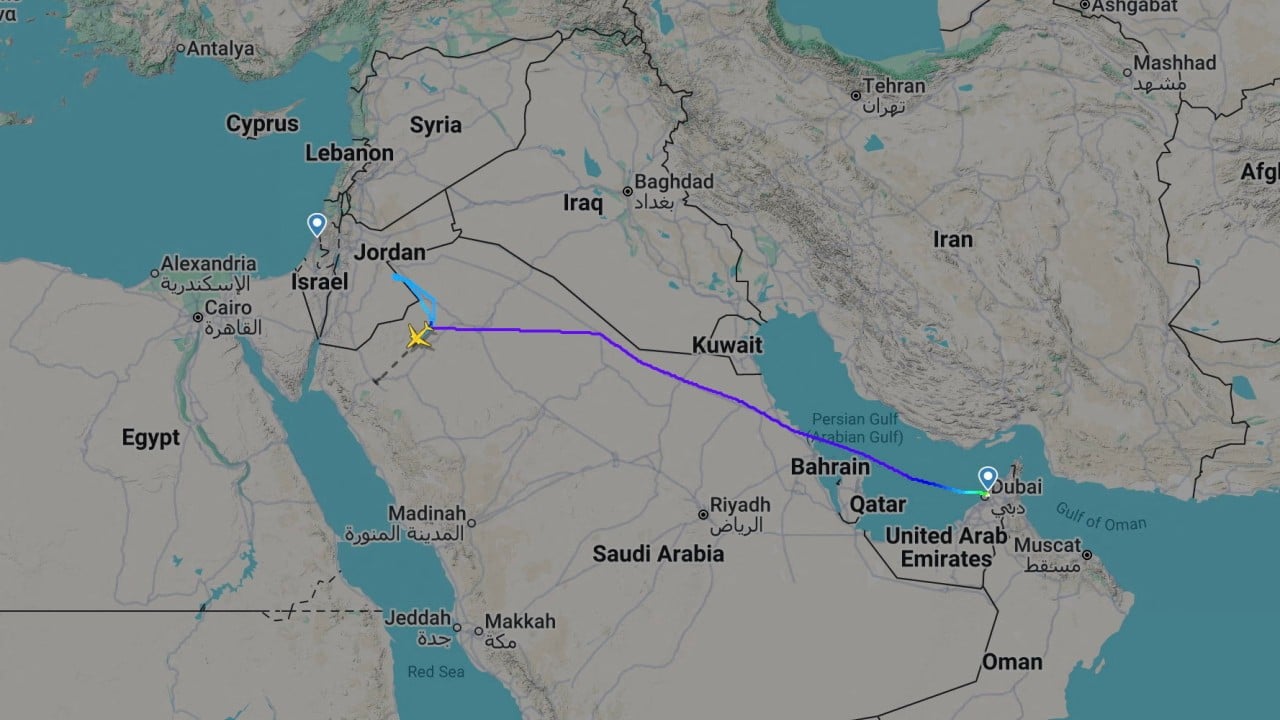
A FlyDubai flight from Dubai to Tel Aviv abruptly dropped thousands of feet, transmitted emergency hijack codes, and diverted to Tabuk, Saudi Arabia, after a violent confrontation broke out inside the cockpit. What started as a routine international route quickly turned into a terrifying real-time crisis involving a reported stabbing, blood in the cabin, scrambling fighter jets, and passengers who had to physically intervene to stop a disaster.
If you are trying to piece together the chaotic reports coming out of the Middle East regarding flight FZ1073, here is the breakdown of what actually occurred, what remains under investigation, and why this event shook aviation authorities globally.
The Timeline of a Mid-Air Nightmare
Flight FZ1073 was heading toward Ben Gurion Airport in Israel, a routine path that has grown increasingly busy since the United Arab Emirates and Israel normalized diplomatic ties. Roughly two hours into the journey, things went completely wrong.
Flight-tracking data caught the initial warning signs. The Boeing aircraft plunged from around 34,000 feet down to roughly 16,600 feet in just over two minutes. That kind of abrupt drop forces passengers out of their seats and triggers instant panic.
Right around the time of the steep descent, the aircraft transmitted transponder code 7700, which signals a general emergency. Seconds later, it switched to code 7500. In aviation terms, 7500 is the international signal for unlawful interference or a suspected hijacking.
Hearing that code over Saudi and Israeli airspace changed the stakes immediately. Both Israel and Saudi Arabia scrambled fighter jets to intercept or monitor the aircraft. Because Riyadh and Tel Aviv do not share formal diplomatic ties, a commercial flight heading to Israel landing in Saudi territory is already an extraordinary event. Doing so under suspected hijacking codes made it a major geopolitical flashpoint.
Inside the Cabin and Cockpit
Passenger accounts paint a brutal picture of the chaos unfolding behind the flight deck door. Shouts echoed from the front of the cabin as the altercation between the pilots escalated.
According to reports from Israeli media and eyewitness statements given to outlets like Channel 12 and the Jerusalem Post, a violent physical struggle broke out between the captain and the co-pilot. Claims indicate that a folding knife was used during the altercation, leaving one pilot heavily injured and blood visible inside the cockpit area.
Further complicating the situation, other pilots happened to be traveling on the flight as passengers. When the cockpit door was breached during the struggle, these off-duty crew members, alongside brave passengers near the front of the plane, rushed forward. They helped physically restrain the attacker and wrestled control away from danger.
One of the off-duty pilots stepped into the flight deck to help stabilize the aircraft while the other dealt with the immediate aftermath. They managed to fly the crippled jet toward northwestern Saudi Arabia and land safely at Tabuk Airport.
Sorting Fact from Fear
Whenever an incident involves commercial aviation, sensational rumors spread fast on social media. It is vital to separate verified official statements from speculation.
Initial fears pointed toward a coordinated external terrorist attack. However, regional officials and later statements clarified that the incident stemmed from an internal confrontation between the crew members rather than a traditional outside hijacking plot.
Investigators are still answering tough questions. What triggered the fight? How did a weapon make it past security checks? Was there an explicit attempt to crash the aircraft, or did the steep descent happen as a byproduct of the physical struggle for the controls?
FlyDubai has kept its official statements tight, confirming that flight FZ1073 experienced an onboard incident, landed safely in Tabuk, and that all passengers were accounted for. Meanwhile, diplomatic channels between the UAE, Saudi Arabia, and Israel scrambled behind closed doors to arrange logistics for the stranded passengers.
Why This Incident Changes Conversations About Cockpit Security
Since the events of September 2001, commercial aviation has focused heavily on keeping unauthorized people out of the cockpit. Reinforced doors, strict code entry systems, and rigid protocols were designed precisely to prevent outside actors from taking over a plane.
This event highlights a terrifying loophole. What happens when the threat is already holding the keys?
Airlines rarely talk publicly about pilot mental health crises or internal crew conflicts, but incidents like this prove they happen. In 2022, two Air France pilots were suspended after a physical brawl broke out inside the cockpit during a European flight. Other historical incidents point to rare instances where crew friction turned dangerous.
Passengers survived this flight because of quick thinking, physical bravery, and sheer luck—specifically the presence of off-duty pilots sitting in the back who knew how to fly a commercial jet when the primary crew was incapacitated.
Watch for tighter scrutiny on crew psychological screening and emergency cockpit protocols over the coming months. Safe travel relies entirely on the assumption that the two people up front are working together. When that breaks down, everything else is secondary.