You strap into your seat, buckle up, and assume the metal tube cruising at 30,000 feet is controlled by professionals who want to see tomorrow. You don't expect a mid-air knife fight.
A Flydubai flight from Dubai to Tel Aviv turned into a literal nightmare when a violent cockpit struggle broke out between the captain and the co-pilot. The aircraft suddenly plummeted thousands of feet, passengers screamed as blood-stained crew members emerged, and an international diplomatic crisis sparked into motion before the plane even touched the tarmac in Saudi Arabia.
When a commercial flight carrying scores of Israeli passengers experiences an abrupt vertical drop of nearly 14,000 feet in just 30 seconds, aviation safety protocols go right out the window. According to flight tracking data and passenger accounts, the chaos erupted over Jordan. The co-pilot allegedly attacked the captain with a knife, plunging the flight deck into bloody turmoil and sending the Boeing 737 into a dangerous, uncontrolled descent.
Why This Flight Was Different
Let's look at the baseline facts. Flight FZ1073 was bound for Ben Gurion Airport near Tel Aviv. On board, a significant number of passengers were Israelis returning home or traveling for family matters. Halfway through the route, the cockpit door became the epicenter of a life-or-death struggle.
Witnesses on the aircraft reported hearing terrifying screams as the plane began rocking violently from side to side. Passengers realized the pilots had lost control because the captain was severely wounded. Blood was visible on shirts and near the front galley.
Israeli Prime Minister Benjamin Netanyahu and Defense Minister Israel Katz quickly categorized the incident in stark terms, labeling it an attempted jihadist terror attack. Saudi authorities detained and began interrogating the co-pilot after the aircraft made an emergency diversion and landing in Tabuk, Saudi Arabia. Flydubai officials confirmed that the plane was secured by on-duty crew members traveling as passengers, while the airline stated that the underlying motives remain under formal investigation.
The Heroism That Prevented a Catastrophe
Planes don't fly themselves when the flight deck turns into a battlefield. You need intervention, and you need it instantly.
According to passenger reports and subsequent briefings, ordinary travelers and off-duty aviation professionals on board stepped up when the flight crew initially appeared overwhelmed. Israelis seated near the front rushed the cockpit door, forced their way inside, and physically overpowered the attacker while the aircraft was still hurtling downward.
An Israeli dentist administered emergency first aid to stabilize the critically wounded captain, effectively saving his life at 30,000 feet. Meanwhile, backup crew members and qualified pilots riding as passengers took charge of the flight controls. They stabilized the aircraft, pulled it out of its dangerous dive, and coordinated with air traffic control to divert toward Saudi territory for the emergency landing.
The Geopolitical Aftermath
You can't separate an incident involving a Dubai-to-Tel Aviv flight from the broader regional tensions gripping the Middle East. The aviation sector operates on absolute trust. Passengers assume airtight security protocols, rigorous psychological evaluations, and locked cockpit doors will keep malicious actors out.
When a pilot on the inside turns weaponized, the entire paradigm of cockpit security fails. Security agencies across multiple countries are now scrambling to re-examine background screening processes for commercial airlines operating sensitive regional routes.
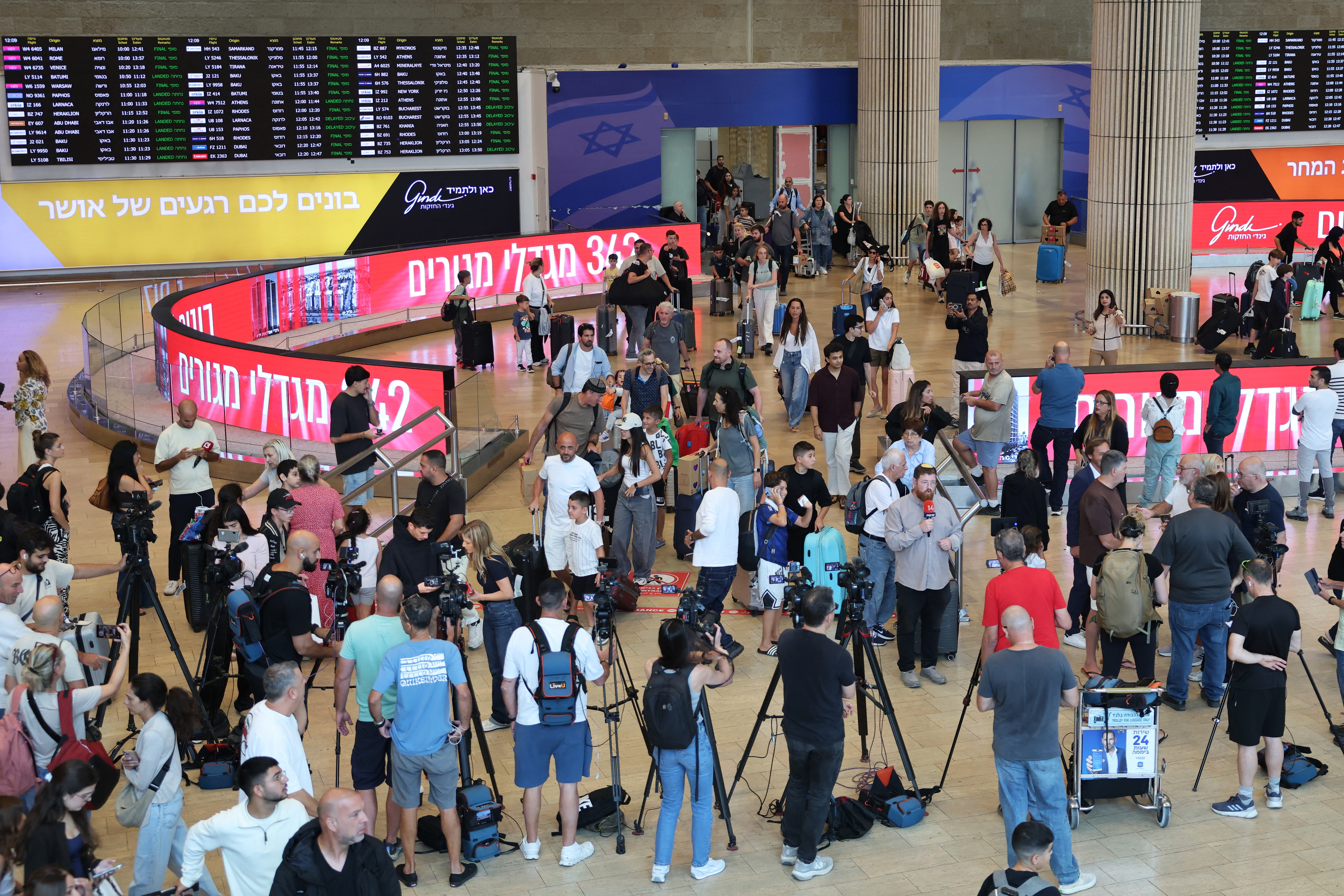
All passengers were eventually flown out of Saudi Arabia back to Israel, escaping physical harm despite the harrowing ordeal. But the questions lingering in the aviation industry won't fade away anytime soon.
Review your travel safety assumptions. Check your airline security standards, and pay attention to how quickly emergency protocols can pivot when the unexpected happens at cruising altitude.