When courts start shifting deadlines to dodge election cycles, pay attention. The recent decision by Israeli judicial authorities to push back the deadline for bids on a major settlement project in the West Bank isn't just a routine calendar adjustment. It highlights a recurring collision between legal oversight, bureaucratic procedure, and high-stakes political timing.
If you've been following the ongoing expansion in the occupied territories, you know that infrastructure projects of this scale carry immense weight. Let's break down why this specific scheduling shift matters, what the legal tussle actually looks like, and how it impacts the broader geopolitical landscape. Also making headlines lately: What To Know About The 5.9 Magnitude Earthquake That Hit Indonesia.
The Background of the Contested Project
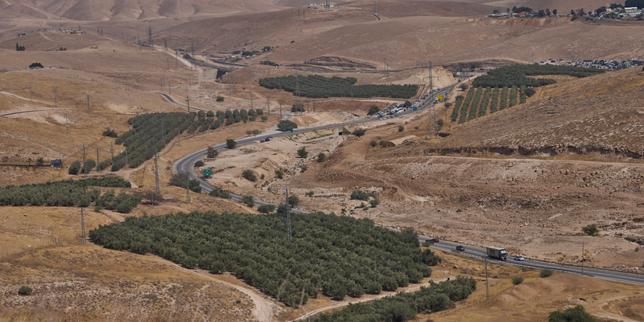
To understand why a simple deadline extension makes headlines, you have to look at the geography and the history. The controversy centers around major strategic planning zones in the West Bank—often referred to in administrative documents by designations like the E1 corridor. NGOs and human rights groups have spent years fighting these initiatives, arguing that construction here would effectively sever the northern and southern parts of the West Bank, dealing a fatal blow to the geographic viability of a future Palestinian state.
When the government published the latest tender, civil society organizations didn't wait around. Groups like Peace Now and other legal watchdogs immediately petitioned the courts to freeze the process. They pointed out the obvious timing conflict: pushing forward with controversial land development right before a national election creates an awkward pressure cooker for both the judiciary and the political establishment. Further details regarding the matter are covered by NPR.
Why the Courts Chose a Delay
Courts hate being dragged into naked political theater, but they often find themselves forced to arbitrate anyway. In handling the emergency injunction requests, the judiciary faced a dilemma. On one hand, stopping a state-backed tender outright requires a very high legal threshold, especially when preliminary planning phases still have months or years to run before actual concrete hits the dirt. On the other hand, letting the bidding process close right before voters head to the polls invites accusations of electoral manipulation.
The compromise solution? A targeted delay of the bidding deadline to a date after the legislative elections.
From a purely legal standpoint, judges often argue that early-stage administrative steps don't cause immediate, irreversible damage on the ground. They point out that obtaining permits, reviewing contractor bids, and clearing environmental hurdles take a long time. Therefore, the argument goes, the court still has ample room to review the core petitions on their merits before any heavy machinery rolls out.
Critics aren't buying that logic. Organizations fighting the expansion argue that even postponing the deadline keeps the momentum alive, serving government ambitions while shielding the process from immediate, disruptive scrutiny during the campaign trail.
The Political Calculus Behind the Timeline
Elections change everything in state policy. When a government faces a competitive race, major structural decisions often get accelerated or delayed depending on what leadership hopes to signal to its base.
- Appeasing political allies: Pushing contentious infrastructure projects forward demonstrates resolve to pro-settlement constituencies.
- Managing international fallout: Shifting deadlines slightly can sometimes help diplomatic efforts cool down when foreign capitals raise objections.
- Judicial buffer: Giving courts a narrow window allows the state to claim due process is being followed while keeping the overarching objective intact.
International actors, including multiple European governments, have repeatedly warned that these territorial projects violate international law and undermine long-term peace frameworks. Yet, domestic political survival frequently trumps external pressure.
What Happens Next on the Ground
A delayed deadline doesn't mean a canceled project. It simply kicks the can down the road by a few weeks. Once the election dust settles, the winning bids will be evaluated, and the administrative machinery will grind forward unless a court issues a definitive ruling on the legality of the underlying plans.
For anyone tracking the conflict, the takeaway is clear. Legal battles over territorial expansion are rarely won in a single dramatic courtroom showdown. Instead, they resemble a war of attrition fought through procedural delays, injunctions, and calendar management. Keep your eyes on how the post-election administration handles these tenders, because the real test is just around the corner.