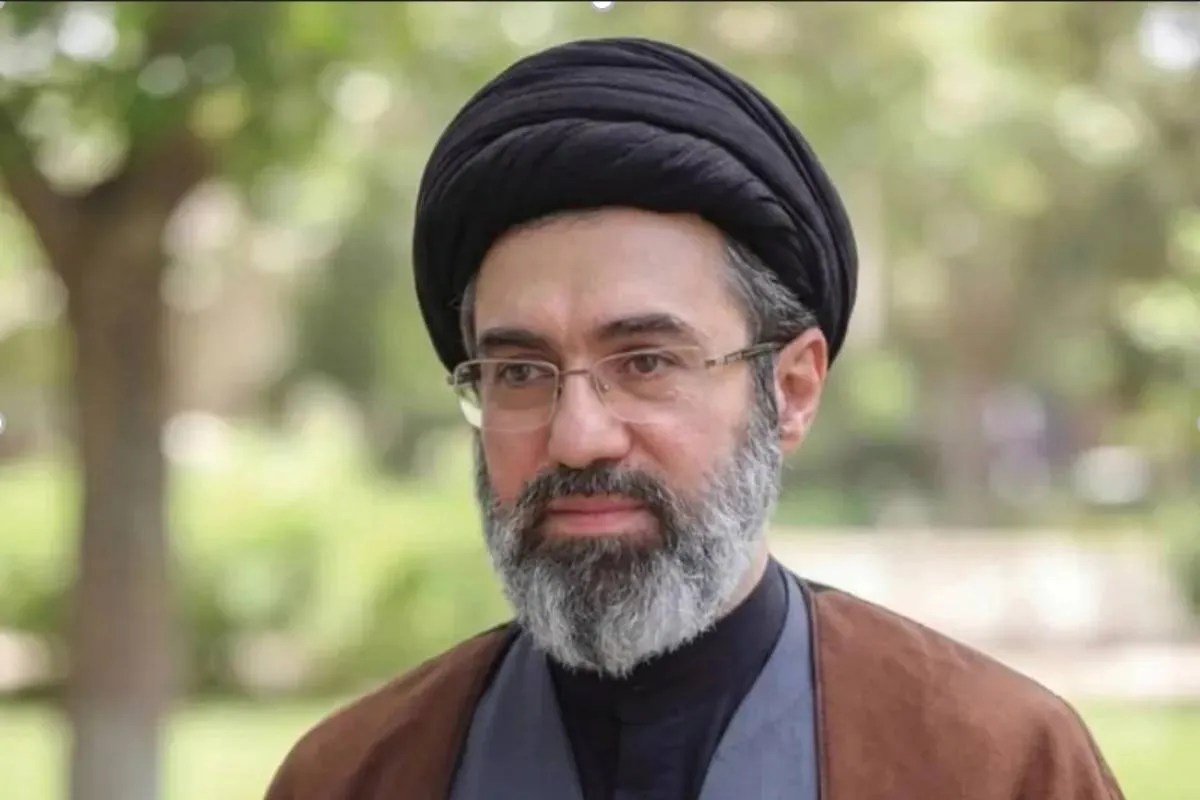
Foreign military forces are running out of breathing room in the Middle East, or at least that is the sharp message coming straight out of Tehran. Iran's Supreme Leader Mojtaba Khamenei just drew a hard line in the sand, declaring that western naval assets have been forced back from Iran's immediate southern waters and will soon find themselves pushed entirely out of the Arabian Sea.
This fiery rhetoric doesn't exist in a vacuum. It follows a direct collision course between Washington and Tehran over the high-stakes blockade of the Strait of Hormuz. US President Donald Trump recently shut down a seven-day proposal floated by Iranian Foreign Minister Abbas Araghchi at the United Nations, which aimed to reopen the crucial shipping lane in exchange for relaxed military pressure and sanctions relief.
Instead of backing down, Tehran is doubling down.
Why the Strait of Hormuz Standoff Matters Now
You can't understand the new Arabian Sea threat without looking at what's happening on the ground and in the water. The Strait of Hormuz is basically the jugular vein of global energy flow. When traffic stops or slows down here, global markets panic.
Khamenei’s recent public statement framed the standoff not as a temporary spat, but as an existential victory. According to his address, the days when foreign fleets could freely patrol Iran's southern coast are gone. He claimed that "painful blows" delivered by Iranian maritime units have already driven adversaries away from the immediate coastal zone and back toward the wider expanse of the Arabian Sea.
And Tehran isn't planning to stop there. The official stance is that even those outer waters will eventually become untenable for foreign warships.
Decoding the Timing of the Announcement
Why make this aggressive declaration right now? Timing is everything in geopolitics.
- The UN General Assembly Fallout: The diplomatic track hit a brick wall in New York when US officials rejected the proposed seven-day reopening framework.
- Domestic Posturing: By invoking memories of past conflicts and foreign intervention, the leadership is attempting to cement internal unity despite severe domestic economic pressures and a weaker currency.
- Signaling Military Readiness: Tehran wants to broadcast that leadership transitions haven't softened its military posture, even after extensive regional escalations.
Washington's position remains equally firm. US representatives have indicated that while some form of future diplomatic framework will eventually be required, unlocking frozen assets and providing sanctions relief upfront is a non-starter.
What Comes Next in the Region
Don't expect either side to blink first. Iranian officials, including Araghchi, have publicly stated they are fully prepared for a renewed escalation, brushing off concerns about foreign political cycles or midterm elections.
When top leadership starts promising the total expulsion of rival navies from major bodies of water like the Arabian Sea, commercial shipping lanes and regional risk assessments take an immediate hit. Insurance rates spike. Patrolling frequencies change. The standoff enters a colder, more unpredictable phase where a single miscalculation at sea could turn a war of words into a shooting match.
Keep a close eye on naval movements near the Gulf of Oman and the broader Arabian basin. That's where the next flashpoint is brewing.