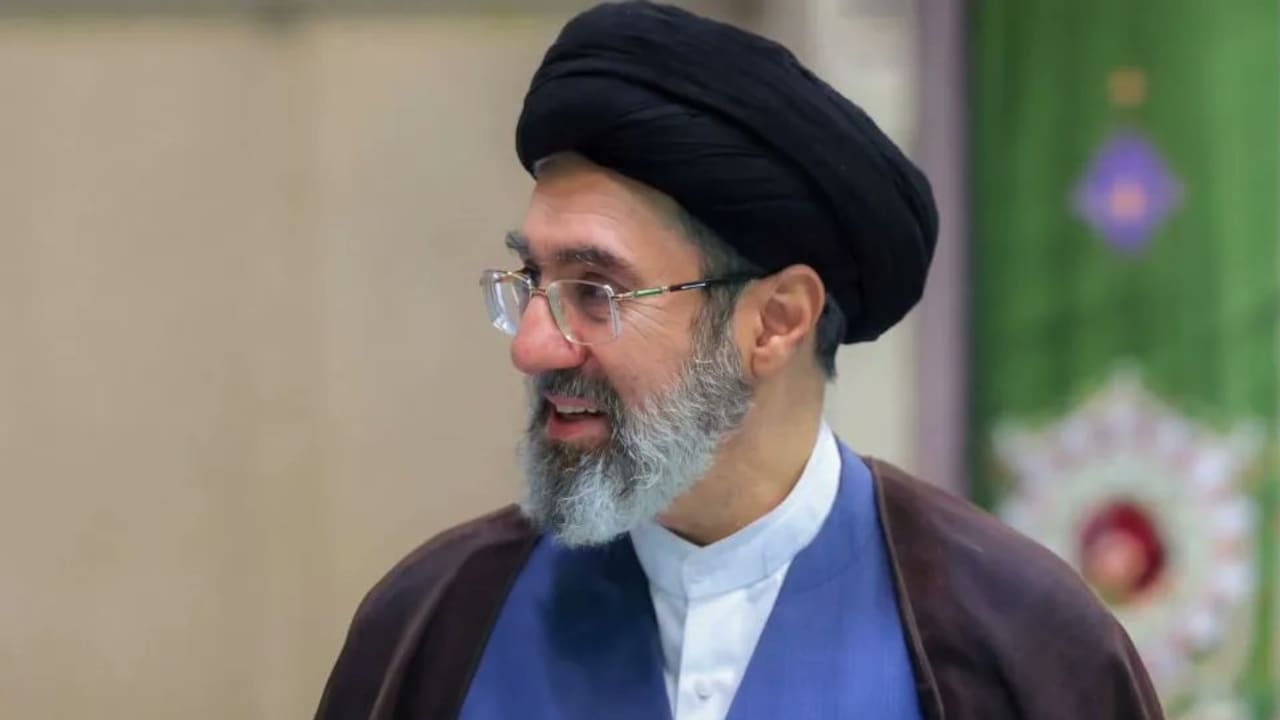
Rumors move faster than cruise missiles. When reports broke that Mojtaba Khamenei had been pulled from the rubble of a bombed Tehran hospital after surviving a second wave of American and Israeli airstrikes, the geopolitical landscape shifted overnight. But beneath the sensational headlines lies a messy web of clerical claims, high-stakes succession politics, and an information blackout that leaves more questions than answers.
Let's look at what actually happened, what Iranian officials are claiming, and why this double-survival narrative matters right now.
The Tale of Two Bombings
According to recent statements by Ayatollah Mohsen Heidari Alekasir, a member of Iran’s Assembly of Experts, the newly anointed Supreme Leader didn't just dodge death once—he survived it twice.
The timeline reported by regional outlets points to a chaotic sequence of events following the February strikes that killed his father, Ayatollah Ali Khamenei. After that initial massive attack leveled the supreme leader's compound in Tehran, Mojtaba Khamenei was rushed to a medical facility. Yet, that hospital wasn't safe for long. US and Israeli forces targeted medical centers across the capital, leading to a direct hit on the very building housing the 56-year-old cleric.
Rescuers reportedly pulled him from the debris just in time. From there, he vanished into an undisclosed location.
The Succession Panic
Why are clerics suddenly sharing these dramatic survival details? Because the ascension of Mojtaba Khamenei wasn't a quiet, orderly transition. It happened under extreme military pressure.
Alekasir revealed in interviews with Qatari media that Mojtaba had no idea he was even being considered for the top job until state television announced it on March 8. When the Assembly of Experts scrambled to vote amid an ongoing bombing campaign—even their own Qom Secretariat was targeted—they faced an existential crisis.
Out of 59 votes cast, Mojtaba secured 50. Eight members backed Ayatollah Alireza Arafi, and one abstained. It was a rushed election born out of wartime panic. The message from the clerical establishment was clear: they wanted to show defiance by elevating the son of the late leader, even if he had to govern from a bunker or deep underground.
Contlicting Claims From Tehran
Transparency is practically non-existent in Tehran right now, which fuels fierce contradictions.
While clerics like Alekasir paint a picture of a wounded survivor dragged twice from the rubble, Iranian President Masoud Pezeshkian took a different tone in a recent interview with Fox News. Pezeshkian insisted that Mojtaba is completely healthy.
Which version is true? Both could be heavily spun. Governments at war routinely lie about the health and safety of their leadership to prevent panic among loyalists and demoralize the opposition. A leader who is physically incapacitated cannot project strength, which explains why state officials are eager to project an image of robust health despite reports of him being buried alive twice.
What Happens Next
Governing a nation of nearly 90 million people from a secret bunker while dodging foreign intelligence agencies is practically impossible for the long term. Mojtaba faces immediate hurdles:
- Command and Control: Issuing direct orders to the Islamic Revolutionary Guard Corps (IRGC) without exposing communication lines to cyber or kinetic strikes.
- Internal Dissent: Managing factions within the Assembly of Experts who reluctantly backed his rushed nomination.
- Economic Collapse: Dealing with mounting sanctions and destroyed infrastructure while the country remains locked in a high-intensity conflict.
The double-survival myth might make for compelling wartime folklore, but reality catches up fast. A leader hiding in the shadows can only project authority for so long before the cracks in the regime begin to show.