The death toll from Ebola in the Democratic Republic of Congo has crossed a staggering four thousand victims. This isn't just a number on a page. It represents a massive public health emergency unfolding right now in the eastern provinces, particularly in regions like Ituri.
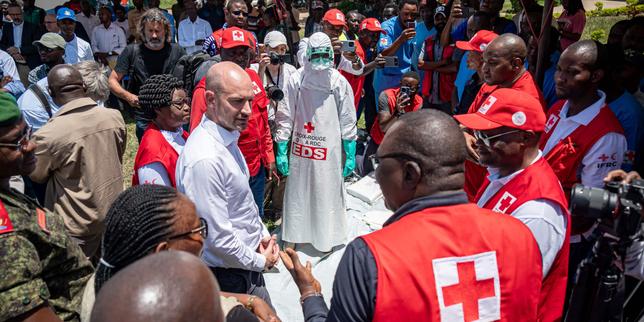
French diplomacy stepped directly into the epicentre this weekend. Jean-Noël Barrot, the French foreign minister, travelled to Bunia to signal official backing for Kinshasa's ongoing sanitary efforts. But visits and handshakes don't stop a deadly virus. People want to know what concrete financial and logistical backup will actually materialize on the ground.
Inside the Bunia Visit
Standing in the heart of the crisis zone changes perspective fast. Barrot made it clear that Paris intends to beef up its support package. He pointed directly toward upcoming budgetary discussions in France where new humanitarian allocations will be put on the table.
Why does this matter right now? Timing is everything. This diplomatic move lands just days ahead of the national humanitarian conference scheduled in Paris. Kinshasa needs immediate, unhindered resources to halt the spread before it moves further through vulnerable regions.
The Reality of the Epidemic on the Ground
If you look closely at how outbreaks behave in Central Africa, you realize that medical teams face immense logistical hurdles. Transporting vaccines, securing treatment centers, and tracking contacts in insecure territories require massive coordination. Local healthcare workers bear the heaviest burden, often working under extreme pressure without enough protective gear or stable funding.
The health ministry in Kinshasa has reported fluctuating case numbers, but independent NGOs warn that the virus continues to shift locations, complicating containment strategies. Local religious and community leaders have also stepped up efforts, organizing roundtables to mobilize populations and dispel dangerous misinformation about the disease.
What Comes Next for International Aid
Pledges are easy to make in plush conference rooms in Europe. Turning those promises into cold, hard operational tools in the field is where governments usually stumble. When the budgetary discussions open in Paris, lawmakers will face a clear choice. They can treat this as a routine diplomatic checkbox, or they can fund the response aggressively enough to finish the job.
The upcoming conference must deliver real medical supplies, trained personnel, and structural support that outlasts the current media cycle. Anything less leaves local populations to shoulder a catastrophe alone.
For a detailed look at the diplomatic trip and on-the-ground reporting, you can watch this France 24 report on Jean-Noël Barrot in Ituri.
This video provides a direct visual account of the minister's visit to the epicentre of the outbreak and the scale of the crisis in the region.