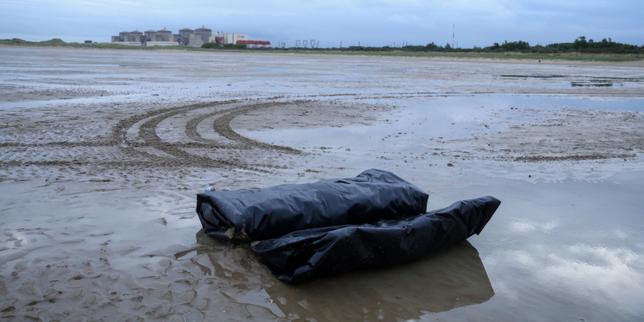
Another day, another grim tally on the northern coast of France. Three more lives lost in the dark waters of the English Channel, pushing the year's death toll to staggering new heights.
You see headlines about migrant crossings almost daily, but the raw numbers hide an escalating humanitarian and security crisis that authorities struggle to contain. On a Monday morning in late September 2026, a maritime rescue operation brought survivors into the port of Calais. Among them, three individuals didn't survive the journey. This isn't just a political talking point. It's a continuous tragedy unfolding right off the shores of Europe.
Inside the Dangerous Shift Toward Taxi Boats
Smugglers are constantly adapting their methods to bypass heightened police patrols along French beaches. Gone are the days when dinghies were simply dragged across the sand in plain sight of law enforcement.
Now, networks rely heavily on the so-called "taxi boat" technique. Instead of launching from the shoreline, traffickers bring inflatable vessels in from the open sea, skirting coastal defenses. Migrants wade out or board directly from the water in chaotic conditions.
It's a recipe for disaster. When you cram over a hundred desperate people into a flimsy rubber craft designed for a fraction of that load, catastrophe is inevitable. Official figures from the prefecture confirm that victims are often crushed in the intense overcrowding before the boat even reaches open water.
The Human Toll Behind the Statistics
Numbers rarely tell the full story. According to updates compiled by official monitoring bodies, this latest incident brings the total number of recorded fatalities in the Channel to at least 22 since January.
Behind that statistic are families, children, and individuals risking everything on a desperate gamble. In this specific crossing, emergency services deployed the maritime SMUR to triage passengers. Rescapés—survivors—arrived wrapped in survival blankets, some wheeled off on stretchers, dealing with profound psychological trauma.
Local prosecutors in Boulogne-sur-Mer have opened formal investigations into involuntary manslaughter and endangerment. Yet, holding high-level traffickers accountable remains an uphill battle. The kingpins operate from safety, leaving low-level operatives or migrants themselves to pilot unseaworthy vessels.
Why Current Deterrence Keeps Failing
Governments on both sides of the Channel keep pouring millions into security, surveillance drones, and beach patrols. Yet, crossings continue. Why?
Because the push factors in origin countries—poverty, conflict, and lack of legal pathways—far outweigh the fear of a dangerous sea voyage. When you have nothing left to lose, a rubber boat in the freezing Channel looks like a viable option.
Furthermore, smugglers exploit the desperation, charging exorbitant fees for passage while cutting every possible safety corner. Life jackets are rarely provided in adequate numbers, engines are unreliable, and overloading is standard practice.
What Needs to Change Moving Forward
Stopping these tragedies requires more than just lining French beaches with riot police. Experts agree that a multi-pronged approach is essential.
- Create legal pathways: Without safe, realistic routes to claim asylum or migrate legally, people will keep turning to criminal networks.
- Target financial flows: Dismantling the illegal money laundering networks used by human trafficking syndicates cuts off their operational fuel.
- Enhance regional cooperation: Intelligence sharing between UK and French authorities must target boat supply chains, specifically the delivery of engines and rubber hulls originating from broader European markets.
Until structural changes take root, the cold waters of the Channel will remain a graveyard for those chasing an unreachable horizon.