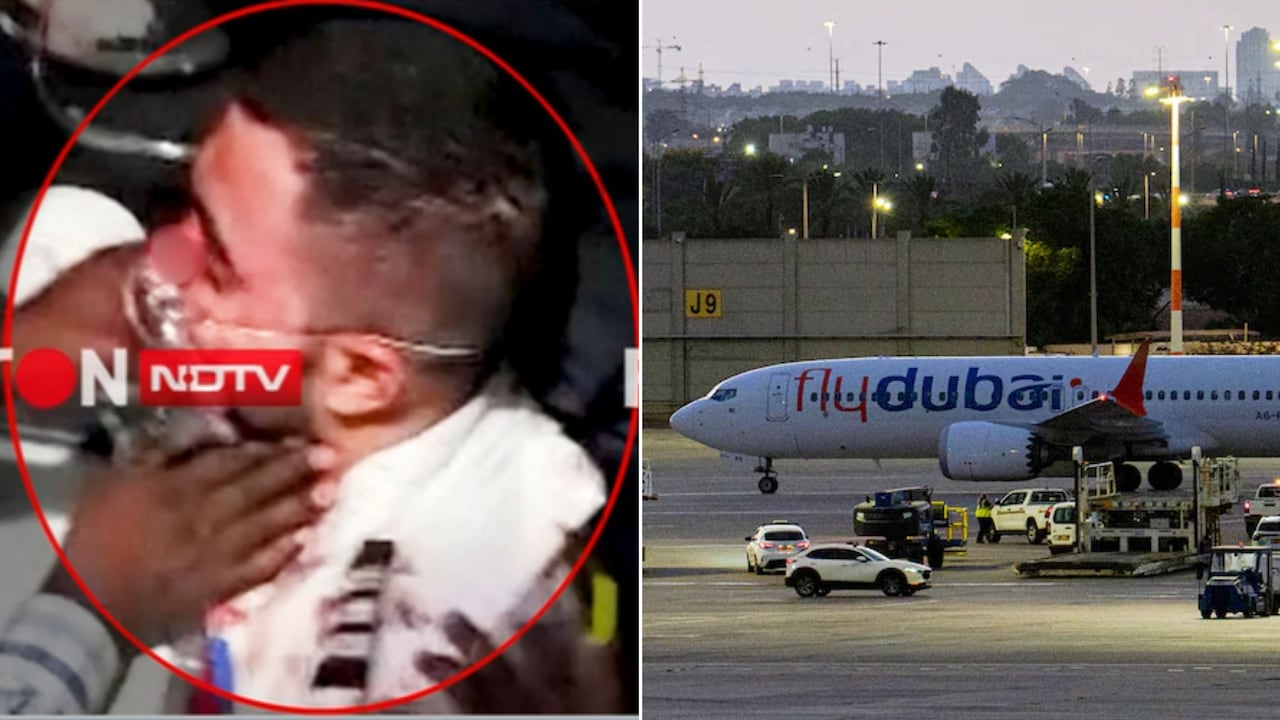
Thousands of feet above the earth, routine flights can fracture into chaos in a matter of seconds. When an international flight turns into a high-stakes struggle for survival, the entire geopolitical landscape feels the shockwaves. That is exactly what happened when flydubai Flight 1073 faced an internal assault that nearly ended in catastrophe.
An attack inside the cockpit of a commercial airliner is every passenger's worst nightmare. When the co-pilot of a Dubai-to-Tel Aviv flight allegedly turned on Captain Smit Machchhar, the situation crossed from an isolated cockpit dispute into an international security crisis. Israel's Foreign Minister Gideon Sa'ar confirmed that the attacker was an Omani national, labeling the incident a jihadist terror attempt designed to shatter diplomatic ties in the region.
Anatomy of an In-Flight Attack
Commercial flight decks are built like fortresses for a reason. Modern aviation security protocols post-9/11 focus heavily on keeping malicious actors out of the cockpit. But what happens when the threat is already holding the controls?
On flydubai Flight 1073, the danger came from inside. Armed unexpectedly, the co-pilot launched a violent assault on Captain Smit Machchhar. The attack left the captain seriously injured, fighting not just for his own life, but for the lives of everyone on board. Despite severe injuries, Captain Machchhar managed a monumental act of survival and resilience by unlocking the cockpit door.
Quick-thinking passengers on board didn't hesitate. Working alongside backup crew members who happened to be traveling on the flight, they pounced on the attacker and subdued him. Meanwhile, the relief pilots took over the controls and diverted the aircraft safely to Saudi Arabia. Statistics say an emergency of this scale rarely ends without total tragedy. Human bravery changed the math this time.
The Geopolitical Aftermath and Regional Security
Cargo and passenger planes are more than transit vehicles; they represent global connectivity. When a flight connecting Dubai and Israel becomes a target, the motives extend far beyond simple hijacking.
Israeli Prime Minister Benjamin Netanyahu and Foreign Minister Gideon Sa'ar both pointed to a clear ideological vector. The attack aimed to achieve three primary goals: maximize casualties, strike a blow against the United Arab Emirates, and severely damage the burgeoning normalization of relations forged under the Abraham Accords.
Extremist elements have long sought to disrupt regional partnerships that bridge historical divides. By targeting a commercial route linking the UAE and Israel, the assailant struck at the heart of modern diplomatic integration. Yet, the immediate response from regional leaders signaled resilience rather than retreat. Diplomatic channels between the UAE and Israel remained open immediately following the incident, with officials vowing not to let bad actors dictate the future of Middle Eastern diplomacy.
Heroism in the Sky and Questions on the Ground
Heroic actions often dominate the headlines after a crisis, but aviation authorities must tackle uncomfortable systemic questions. How did an attacker bypass initial vetting? How do airlines handle radicalization risks among flight crew members?
Captain Smit Machchhar's quick thinking has earned him praise globally, with leaders from India to Israel commending his extraordinary calm under fire. Yet, aviation security experts are already debating whether cockpit protocols need another overhaul. Relying on heroic passenger intervention and injured crew members fighting back is a terrifying margin of error.
Governments are continuing their investigations to trace any broader networks behind the Omani national's radicalization. Whether state-sponsored entities or decentralized extremist networks directed the plot remains under active inquiry.
As investigators piece together the timeline, the flight serves as a stark reminder of the fragile boundaries keeping global travel safe. Vigilance remains the only shield against those willing to turn the friendly skies into a battlefield.