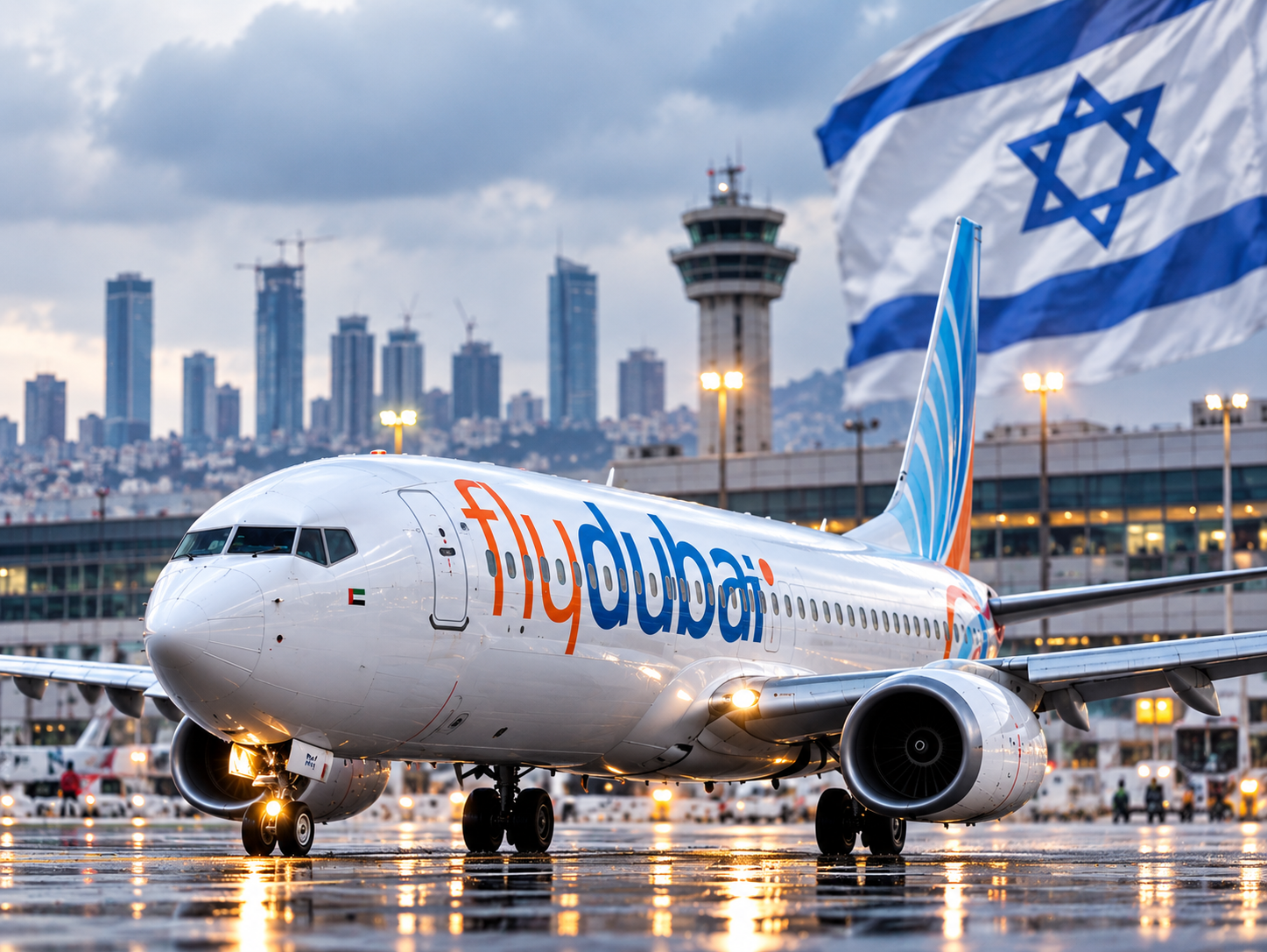
Imagine sitting comfortably on a routine flight, only to watch your aircraft violently plummet thousands of feet while a brutal, bloody struggle unfolds in the cockpit. That's exactly what passengers on Flydubai flight FZ1073 experienced. Traveling from Dubai to Tel Aviv with roughly 180 people on board, the Boeing 737 Max 8 turned into a scene straight out of a thriller when a violent altercation broke out between the flight deck crew.
Flight tracking data shows the aircraft diving steeply—falling nearly 14,000 to 17,400 feet in a matter of minutes—about two and a half hours into the trip. Screams echoed through the cabin as terrified travelers realized something had gone catastrophically wrong.
What Actually Happened Inside the Cockpit
According to passenger accounts and official statements, the co-pilot allegedly attacked the captain with a knife, plunging the flight into chaos. Israeli Prime Minister Benjamin Netanyahu and defense officials later characterized the incident as an attempted terror attack, stating that the attacker may have tried to deliberately crash the aircraft.
Blood spilled across the flight deck as the captain fought for control. Fortunately, quick-thinking passengers and off-duty crew members rushed forward to help. Travelers including Yitzhak Lieber and an Israeli dentist on board sprang into action, helping to overpower the attacker, tie him up, and tend to the severely injured captain.
With the flight deck compromised, the crew managed to secure the aircraft and divert it toward Saudi Arabia. The plane made an emergency landing at Tabuk Airport. Both pilots were immediately rushed to the hospital, while Saudi authorities detained the suspected attacker for interrogation.
Why the Diversion to Saudi Arabia Matters
The emergency landing in Tabuk created a complex geopolitical and logistical puzzle. Saudi Arabia and Israel do not maintain formal diplomatic relations, making an emergency landing of an Israel-bound flight carrying mostly Israeli citizens an extraordinarily sensitive event.
U.S. Ambassador Mike Huckabee noted on social media that the incident put the entire Middle East on high alert. Despite the tense political backdrop, Saudi ground services coordinated with Flydubai to manage the emergency landing safely, ensuring that all passengers remained accounted for and unharmed.
The Broader Impact on Aviation Security
This shocking event raises urgent questions about cockpit security and mental health screening protocols in commercial aviation. While commercial airlines implement strict security checks for passengers, internal threats from crew members remain one of the hardest vulnerabilities to predict or prevent.
Aviation experts have long debated the limits of cockpit door fortifications. While reinforced doors successfully kept hijackers out after 2001, they also create a dangerous trap when an emergency originates inside the flight deck.
The heroic intervention of passengers and off-duty pilots on flight FZ1073 prevented a massive tragedy. As international investigations continue, airlines will likely face renewed pressure to re-evaluate how they vet flight crews and handle internal cockpit threats.