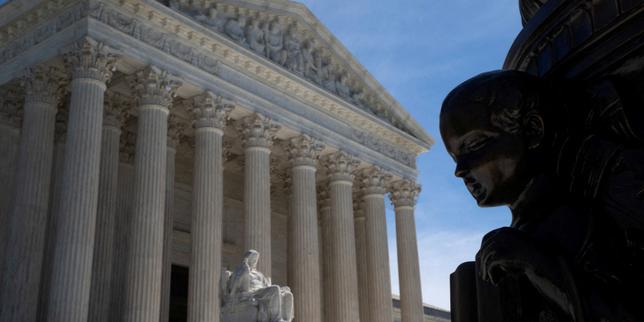
Immigration enforcement in the United States just entered a much faster, much harsher phase. The Supreme Court recently stepped in to let the administration resume rapid deportations of undocumented immigrants to third countries, bypassing lower-court blockages. If you've been following the intense legal ping-pong over border policy, this latest emergency order marks a massive win for the White House and a bitter pill for human rights advocates.
Let's break down what actually happened, why it matters right now, and what the real-world fallout looks like. Expanding on this theme, you can also read: What Trump's Easy Way Or Hard Way Warning Means For Iran.
The Core Conflict Over Third-Country Removals
At the center of this battle is a simple yet brutal question: Can the government send an undocumented migrant to a nation that isn't their home country without giving them a real window to prove they'll face persecution or torture there?
Lower courts previously said no. Judges slammed the brakes on these rapid expulsions, arguing that individuals deserve a fair chance to flag safety risks before being dumped into unfamiliar jurisdictions. But the administration pushed back hard, claiming these judicial roadblocks crippled national security and made efficient enforcement practically impossible. Analysts at NBC News have provided expertise on this situation.
The Supreme Court's conservative majority sided with the administration for now, lifting the lower-court injunction while the broader legal battle plays out.
Why This Ruling Changes Everything for Deportation Flights
Speed is the ultimate weapon in modern immigration enforcement. When removal flights can bypass lengthy domestic legal challenges, the volume of expelled individuals skyrockets.
Critics and liberal justices—including Sonia Sotomayor, Elena Kagan, and Ketanji Brown Jackson—voiced sharp opposition to the order. They warned that rushing these third-country removals strips away essential due process and could put vulnerable people in mortal danger. Yet, the conservative majority's emergency stay keeps the machinery moving.
Department of Homeland Security officials wasted no time celebrating the decision, signaling that removal planes would fire up immediately. For the administration, this isn't just a legal victory; it's a validation of their core enforcement strategy.
What Happens Next in the Courts
Don't mistake this emergency stay for a final verdict. The Supreme Court hasn't ruled on the ultimate constitutionality or legality of the policy itself. They simply decided that the government can keep executing these deportations while lower courts keep arguing over the merits.
This means legal teams representing migrants will continue scrambling to file emergency stays in specific cases, trying to block individual flights before they leave tarmac. At the same time, federal judges will face immense pressure to fast-track their final rulings.
Keep a close eye on how destination countries respond, too. Accepting third-country deportees requires diplomatic agreements, and international pressure on human rights grounds isn't going away just because the highest court in America gave a temporary green light.
Expect more chaos at the intersection of federal power and immigration law before this year is out.