You trust the people behind the locked flight deck door. You assume they are trained professionals focused entirely on getting you home. But what happens when the threat comes from inside the cockpit?
On a routine flydubai route from Dubai to Tel Aviv, Flight FZ 1073 turned into a nightmare. An onboard altercation erupted when a co-pilot allegedly turned hostile, pulling a weapon and stabbing the captain. The objective was terrifyingly clear. The attacker wanted to disable the aircraft systems and crash the plane with 180 souls on board.
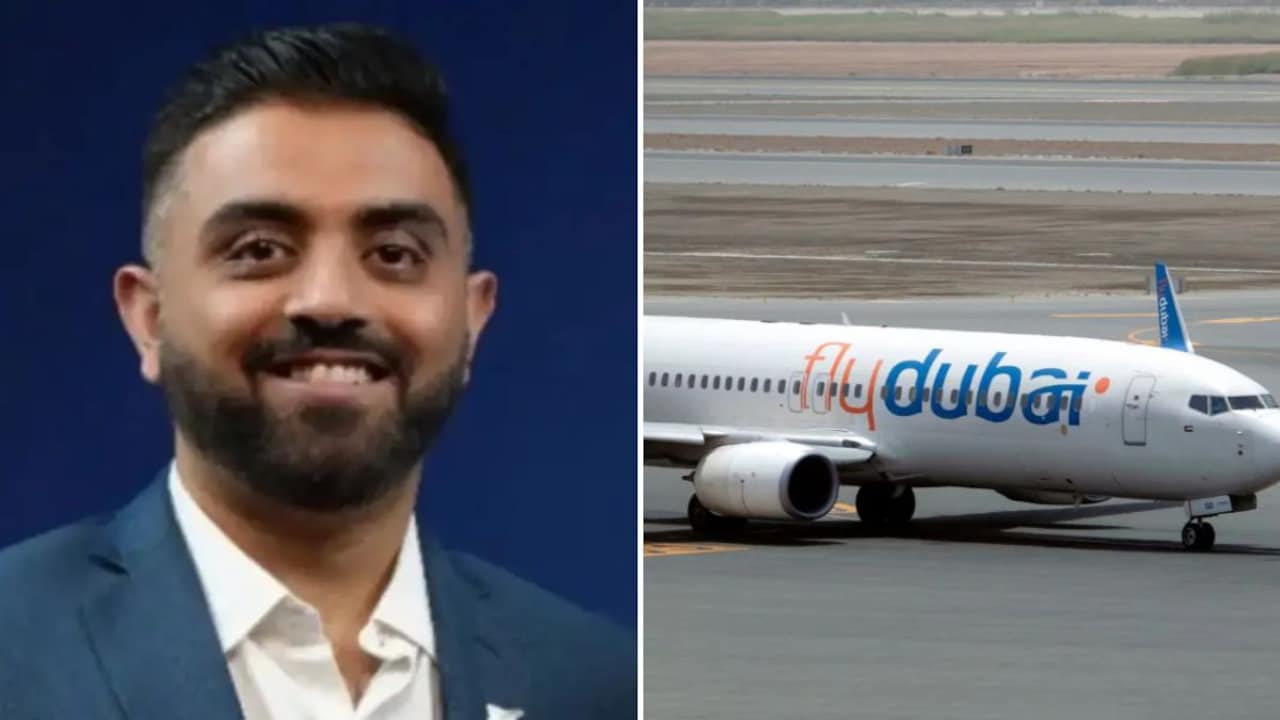
The hero at the center of this chaos is Captain Smit Machchhar, an Indian aviator with over thirteen years of commercial flying experience. Instead of panicking, he fought back while bleeding, wrestling his violent colleague in a cramped workspace while the aircraft experienced a violent plunge of over 17,000 feet in minutes.
Inside the Cockpit Chaos
Flight tracking data later showed the aircraft making erratic altitude drops, descending at breakneck speeds while the physical struggle raged forward. Israeli Prime Minister Benjamin Netanyahu confirmed that the co-pilot attempted to sabotage the flight systems mid-flight.
Captain Machchhar sustained stab wounds to his face and hands during the brawl. Visuals captured after the aircraft diverted and touched down safely in Saudi Arabia showed him bloodied and struggling to speak, while passengers praised him as a savior.
You might wonder how a cockpit breach happened in the first place. Reports indicate that off-roster pilots traveling as passengers and quick-thinking crew members heard the commotion, broke into the secure flight deck, and physically subdued the attacker before he could finish what he started.
Who Is Captain Smit Machchhar?
Captain Machchhar didn't stumble into this position by accident. He is a seasoned aviation professional who built his career the hard way.
Before joining flydubai as a direct-entry captain in June 2022, he spent a decade at SpiceJet. During his tenure there, he logged thousands of hours on the Boeing 737 fleet and served as a line training captain, mentoring the next generation of aviators. His extensive background in handling high-pressure emergency scenarios on the flight deck likely kept him alive during the brutal knife attack.
With over 9,750 flying hours under his belt, his muscle memory and situational awareness kicked in immediately. When faced with sudden violence at 35,000 feet, experience is the only thing that separates survival from disaster.
The Immediate Aftermath and Security Fallout
The incident triggered instant global panic, briefly raising fears of a full-scale hijacking when the emergency code 7700 flickered across radar screens, later adjusted to unlawful interference code 7500.
Aviation authorities across the Middle East and globally are now scrambling to re-evaluate psychological screening protocols for commercial flight crews. It is one thing to harden cockpit doors against external threats, but securing the flight deck against an insider threat remains one of the aviation industry's greatest vulnerabilities.
Flydubai has urged patience while formal investigations unfold in Saudi Arabia, where the suspect remains in custody and under interrogation. Meanwhile, the passengers were transferred to another flight to reach Tel Aviv, carrying memories of an ordinary journey that nearly ended in catastrophe.
Stay alert to how airlines handle psychological evaluations for pilots moving forward. Real safety isn't just about locks on doors; it is about knowing who holds the keys.