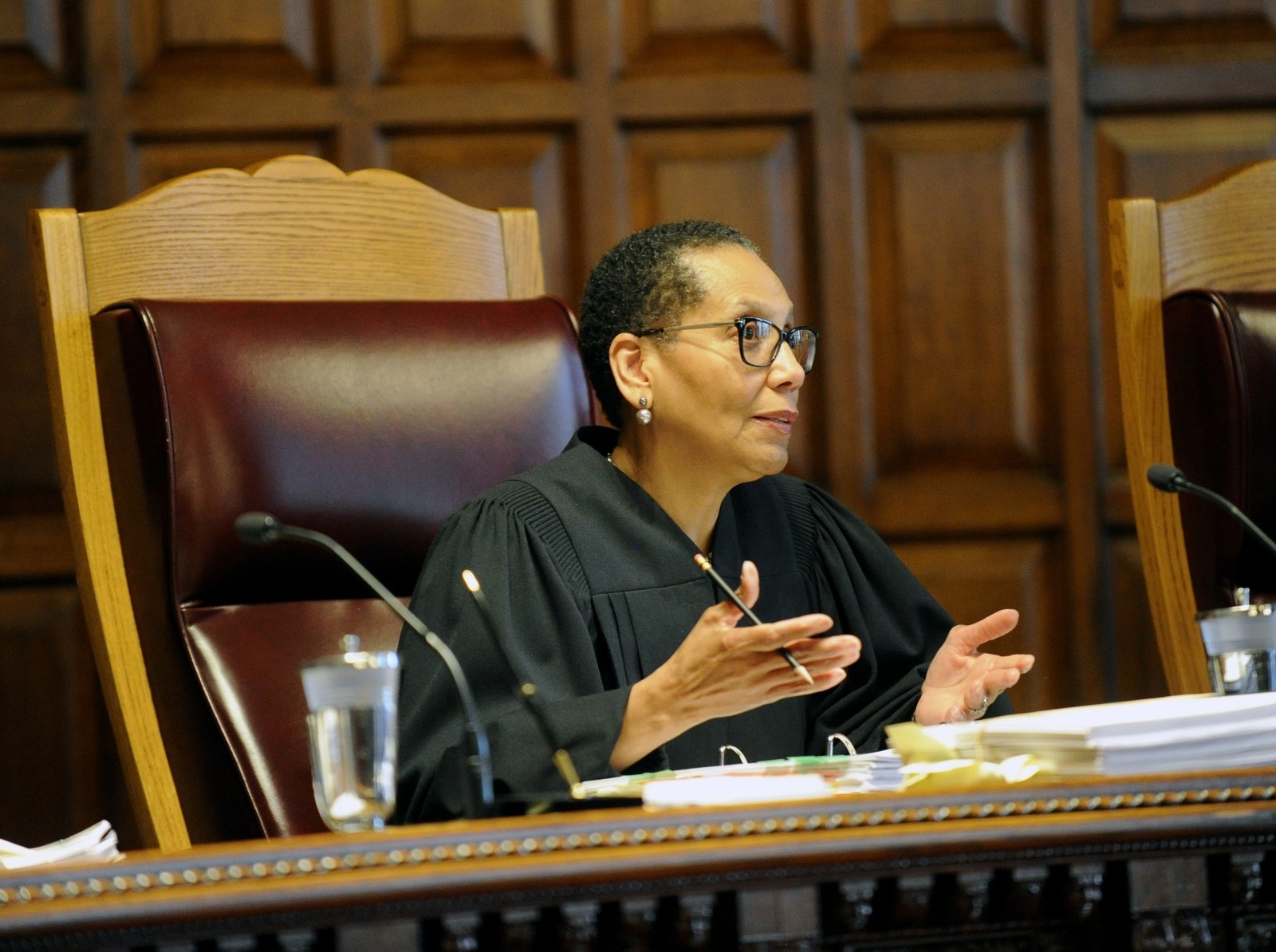
A federal appeals court vacated a sweeping environmental regulation on Tuesday, ruling that the agency exceeded its statutory authority when it imposed strict limits on carbon dioxide output from coal-fired power plants. The decision by the United States Court of Appeals for the District of Columbia Circuit marks a major setback for federal climate policy and forces a complex legal reckoning over the boundaries of administrative power. The ruling specifically centers on a judge panel vote of two to one, which concluded that Congress never explicitly granted the regulatory agency the authority to mandate system-wide generation shifts across the energy sector.
The legal challenge was brought by a coalition of 19 states and several major utility companies, who argued that the federal mandate infringed upon state energy sovereignty and threatened grid reliability. Writing for the majority, Circuit Judge Gregory Katsas stated that federal agencies must operate strictly within the clear text of statutes passed by Congress rather than discovering expansive new powers in aging legislative provisions. According to data released by the Energy Information Administration, the vacated rule would have forced the retirement of dozens of coal facilities by the end of the decade, reshaping the American energy landscape. For an alternative perspective, read: this related article.
Environmental advocacy groups immediately condemned the judicial outcome, warning that the decision stalls vital greenhouse gas reductions at a critical juncture for global climate stabilization. Earthjustice senior attorney Sarah Matsumoto stated during a press briefing that the ruling ignores mounting climate hazards and undermines public health protections mandated under federal law. Statistics compiled by the American Lung Association indicate that the blocked regulations would have prevented thousands of premature deaths annually by curbing particulate pollution and sulfur dioxide emissions alongside carbon output.
Legal scholars note that the decision relies heavily on the major questions doctrine, a judicial principle requiring explicit congressional authorization for regulations carrying immense economic and political significance. The Supreme Court established this heightened scrutiny framework in previous landmark rulings, setting a demanding standard for federal agencies attempting to regulate broad sectors of the economy. Georgetown University law professor Richard Lazarus explained in an analysis published by the Environmental Law Institute that lower courts are increasingly applying this doctrine to invalidate long-standing regulatory practices. Further insight on the subject has been published by The Washington Post.
Legal Precedents Shape Future Administrative Actions
The implications of the appellate court decision extend far beyond the energy sector, threatening a broad array of public health, labor, and financial regulations promulgated by federal agencies. Industry representatives welcomed the clarity provided by the ruling, arguing that it restores constitutional balance by returning legislative authority to elected representatives in Congress. U.S. Chamber of Commerce litigation center president Daryl Joseffer asserted in an official statement that administrative agencies cannot circumvent the legislative process to implement sweeping economic policy transformations.
Opponents of the ruling counter that the judiciary is weaponizing procedural hurdles to dismantle necessary safeguards designed to protect vulnerable populations from corporate overreach. Public Citizen litigation director Allison Zieve argued in a legal commentary that the court misconstrued legislative intent and hamstrung federal experts from addressing fast-moving technological and environmental crises. This deepening division between industrial stakeholders and environmental advocates underscores the persistent volatility surrounding federal rulemaking authority in the United States.
The regulatory framework governing industrial emissions has faced continuous legal turmoil over the past decade, bouncing between aggressive federal oversight and severe judicial restraint. Previous administrations experienced similar setbacks when attempting to implement comprehensive climate strategies without explicit statutory updates from Capitol Hill. According to historical records maintained by the Brookings Institution, nearly every major environmental initiative enacted through executive agency rulemaking has faced immediate and coordinated legal opposition in federal court.
State attorneys general find themselves divided along partisan lines, with conservative states championing deregulation while progressive states vow to pursue independent state-level standards. California Attorney General Rob Bonta announced that his office is reviewing the ruling to determine whether state-level clean air regulations can fill the regulatory void left by the federal court decision. Multiple northeastern states have already signaled intentions to strengthen regional carbon cap-and-trade programs to maintain momentum toward emissions reduction targets.
The Biden administration now faces mounting pressure from both sides of the political aisle to formulate a legally resilient response that satisfies statutory limits while fulfilling international climate commitments. White House press secretary Karine Jean-Pierre stated during a daily briefing that the administration remains fully committed to reducing greenhouse gas emissions through all remaining lawful avenues. Legal teams within the Department of Justice are currently evaluating whether to petition the full D.C. Circuit for an en banc rehearing or appeal directly to the Supreme Court.
Federal regulators must now pause ongoing enforcement actions related to the invalidated standard while agency leadership weighs its next legal and administrative steps. Industry compliance officers are advising corporate clients to maintain existing sustainability benchmarks despite the legal uncertainty, anticipating that future regulatory pressures will remain high regardless of judicial outcomes. Court watchers suggest that any petition for Supreme Court review will not be resolved before the upcoming judicial term, leaving the nation's climate policy in a state of suspended animation.